Sleeping While Queer: LGBTQ+ Perspectives on Sleep Health + Sleep Disorders

June is Pride Month! Project Sleep is proud to highlight LGBTQ+ sleep health and insights from LGBTQ+ members of our community throughout the month of June.

What does LGBTQ+ identity have to do with sleep? More than you might think! Experiences shared by many LGBTQ+ people can affect sleep health and sleep disorders in challenging and often invisible ways. Research shows that anti-LGBTQ+ stigma and discrimination lead to sleep disparities.

Want to know more? Watch Sleeping While Queer: LGBTQ+ Perspectives on Sleep Health + Sleep Disorders to hear community members share how their identity and sleep are closely intertwined.
Watch Sleeping While Queer

Listen as Podcast

Project Sleep Podcast
“Sleeping While Queer”
(Sleep Insights Series Episode 15)

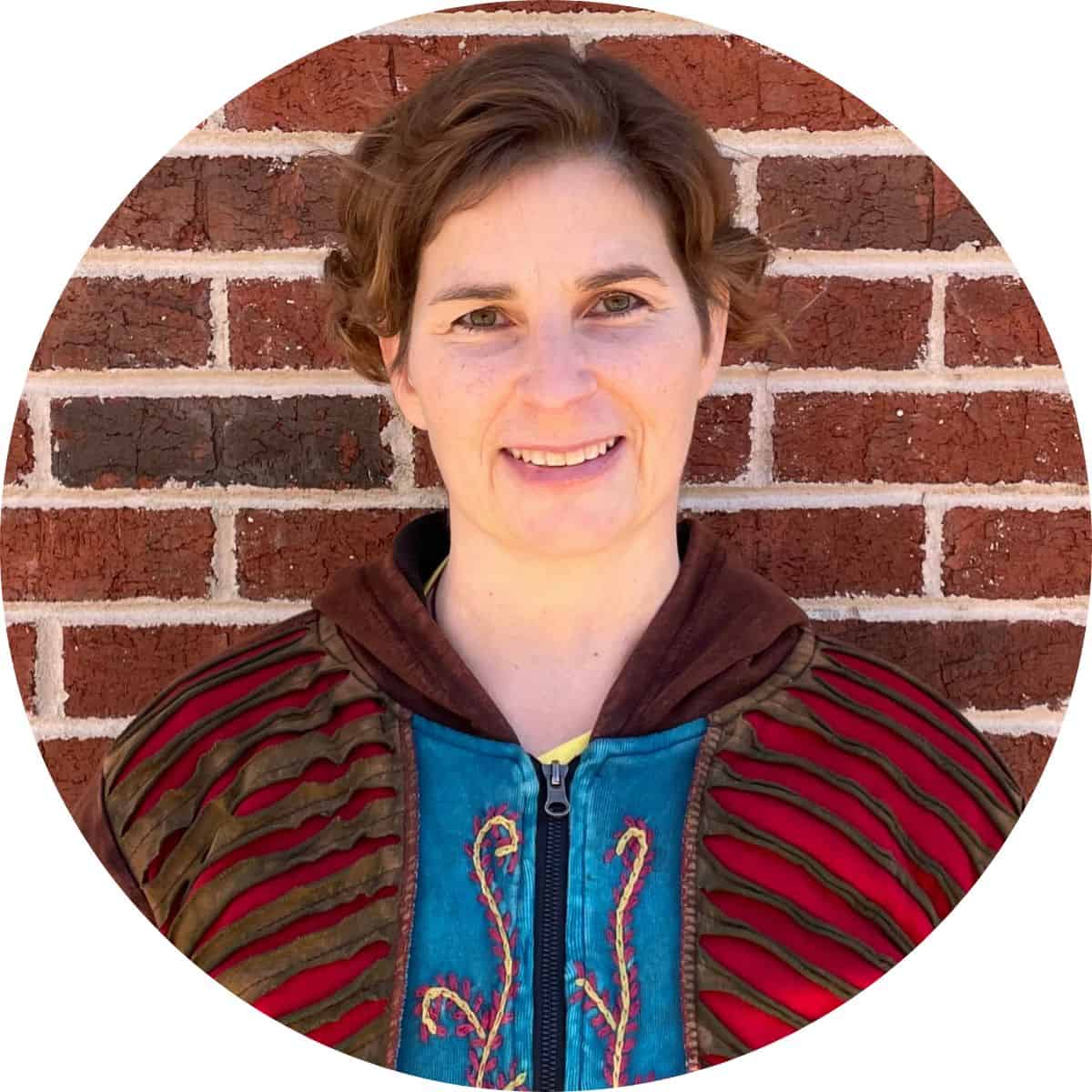
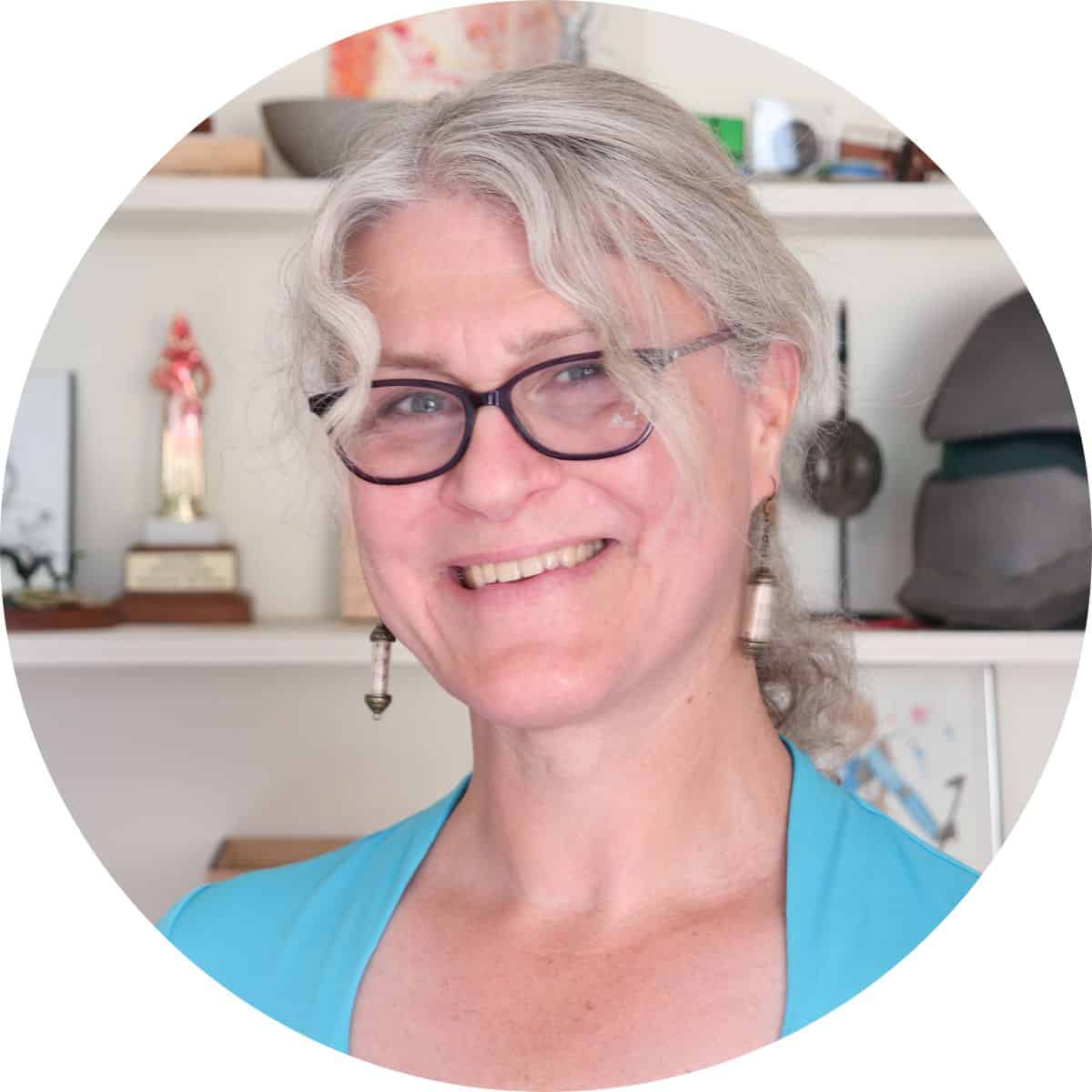
Lauren Oglesby, MPH (she/her) is the Programs Manager at Project Sleep and is a public health educator and advocate, with a focus on healthcare and resource accessibility. They have implemented programs serving LGBTQIA+ youth in rural Virginia, teens at high risk of pregnancy, and people who are incarcerated and living with HIV.

Edgar Castro Tello (he/they) is Venezuelan born and raised, but now calls Tampa, Florida his home, where he lives with his partner, Frankie. He was diagnosed with severe obstructive sleep apnea in 2016 at the age of 25; a diagnosis that was too late in the making. Edgar hopes his story will shed some light on the prevalence of sleep disorders in the gay bear community.

Alphonse Littlejohn (they/he) is probably asleep as you read this. Al came to his narcolepsy diagnosis after surviving a car accident in 2017 and has been fighting for his right to exist as a black and indigenous non-binary queer person ever since. Laughter and loving relationships are their favorite reasons for waking up every day.

Benny Manning (he/him) is a queer transgender man living with narcolepsy. He loves exploring new places, and he loves being at home in bed.

Sean Psujek (she/her) is an educator and maker, often combining the two professions. She has used stretchy fabric to model a gravity assist maneuver, has made earrings from curve stitched hyperbolic paraboloids, and has ignited large quantities of rocket candy indoors. You can usually find her at the local makerspace creating.

Elizabeth Wilson (she/her) lives in the North Carolina mountains. She is a poet, aspiring tap dancer, chronic illness advocate, and Rising Voices speaker living with type 1 narcolepsy with cataplexy. Elizabeth won the 2021 Patricia Dobler Poetry Award, and her first book, Windowpanes, won the 2021 Sappho’s Prize in Poetry.

The Sleep Insight Series invites listeners to learn about this amazing adventure we take every night called sleep. Through these insightful discussions, we examine sleep, and our societies beliefs about sleep, from a variety of angles. We hope you’ll learn some cool new facts and analogies that you can use to help us ra ise awareness about this under-appreciated one third of our lives. This is a written transcription of the podcast “Congressional Briefing on Sleep & Public Health” (Sleep Insights Series Episode 13) from Project Sleep. Transcription provided by Mirela Starlight.

Project Sleep is a 501(c)3 Nonprofit Organization, dedicated to raising awareness and advocating for sleep health, sleep equity and sleep disorders.

All guests and speakers express their own opinions. While medical diagnoses and treatment options are discussed for educational purposes, this information should not be taken as medical advice. Each person’s experience is so unique, which is why it’s so important to always consult your own medical team when making decisions about your own health.


Lauren:  Hello, everybody. Thank you so much for being here today, we’re excited to have folks tuning in as we are talking about sleep health in the LGBTQ+ community. My name is Lauren. I use she/her pronouns and I am a cisgender white woman, I have identified as queer since I was about 16 and I am the Programs Manager with Project Sleep. 

Lauren: So excited to be here with our fabulous guests. Real quick, let’s go around and if everybody could just introduce yourselves, say your name, your pronouns, if you have a sleep disorder. So, Edgar, you want to start us off? 

Edgar: Hi everyone, I’m Edgar, I use he/they pronouns and I was diagnosed with obstructive sleep apnea about seven years ago. 

Al: Hi everyone, I’m Al. I use they/he pronouns and I was diagnosed in 2017 with narcolepsy type 1. 

Benny: Hi, I’m Benny. I’m 21 years old and I’m a transgender man. I was diagnosed with narcolepsy a few years ago, but have been suffering with it for more than half my life. 

Sean: Hi everyone, I’m Sean. I’m a transgender woman. I use she/her pronouns and I do not have a diagnosed sleep disorder. 

Elizabeth: Hi everyone, I’m Elizabeth Wilson. I use she/her pronouns because I grew up in a time where there was no choice and it– (laughs) and I identify as queer– and I have had narcolepsy with cataplexy my whole life. Unfortunately, I was undiagnosed until the age of 38. 

Lauren: Okay. So– why are we here today? So sleep health, you know, we know it is critical for overall health. So mental, emotional, and long-term physical health– it’s really foundational. So, what we’re seeing in some research is that there are unique social and life experiences that affect sleep health, for people in the LGBTQ+ community, and these can lead to actual health disparities. Which are differences in sleep health, for queer and trans people– that are not based on biological factors, but actually on social factors. So your life experiences and, you know, discrimination, etcetera. 

Lauren:  And at Project Sleep, we like can’t emphasize urgently enough, that sleep disparities are a direct contributor to overall health disparities. So this is a really important topic for our community. But I haven’t seen much about it outside of academic journals. If you Google LGBTQ+ sleep health, like not much comes up outside of research. 

Lauren: So, and I– you know like I have a background in public health. I’ve been working with folks in the LGBTQ+ community for a long time. Talking about social determinacies of health is like my love language– but I had never, ever heard anything about this, until starting to do research for it for Project Sleep’s sleep equity initiatives. 

Lauren: So, I’m really grateful to be having this discussion with this fantastic panel. And I’d really like to ask y’all, have you made connections before, between your sleep and your identity? And whoever wants to start off. Edgar. 

Edgar: Yeah, so, one of the discoveries that I made with sleep apnea and in the gay community– so I identify as a gay cisgender male, was there is kind of an identity tie between, I think the gay bear community and sleep apnea. There’s actual jokes about it, where–  if you’re a gay bear, there’s a really good chance that you’re going to have a CPAP machine. So, I was laughing because– they know. They probably have seen it before. 

Edgar: But I didn’t know that it was so prevalent– until I myself started sharing with my friends. And– not necessarily that there’s a huge correlation, but it’s something that I noticed that, sometimes burlier, big-boned men tend to have maybe a rougher time breathing or snoring. And I automatically just saw this sleeping disorder within that light. 

Edgar: And, while it’s funny, I also didn’t see much education around it. I didn’t see much conversation around it. People treat it as a joke. So, it’s been up to me little by little with my friends, to tell them like, you can joke all you want, but you want to make sure that you’re taking care of yourself. But that’s been one of the things that I think really tie into the gay bear identity that I’ve been noticing. So that’s one of the few things. 

Lauren: Yeah, and someday, Edgar, we’re going to have a whole discussion with you and other folks about sleep apnea, and helping folks with treatment for sleep apnea in the gay bear community, I think that’s going to be awesome. All right, who– anybody else? 

Lauren: I can say, like I never put two and two together about my sleep health, even– and my identity. Even though like, I know there are things that dramatically impacted my sleep. So– because of my identity and experiences I had. So– yeah, this was all new to me too.

Benny: I personally like, it’s hard for me to say exactly how being queer and having a sleep disorder has affected me, but I’ve definitely noticed a sleep health disparity in a lot of my younger queer friends because I do–  like given that my narcolepsy is so like, prevalent– I do sort– in some ways– have an upper hand in that I do have a sleep dis– a sleep doctor, and I am very aware of what impacts my sleep health. 

Benny: But I’ll talk about like my symptoms and I’ll have a lot of like friends or peers who are queer be like, oh yeah I get really tired during the day, or I have really vivid dreams that stop me from sleeping, and it’s like, well the difference is you’re going to bed at 3 in the morning or you don’t have a regular work schedule or you’re not like taking care of your body properly. 

Benny: But I think– the health disparity that queer people in general experience does, of course, tie into sleep. And a lot of queer people who aren’t getting the medical help that they need in general, also aren’t learning about how their sleep impacts their health and what they can and should be doing to improve their sleep. 

Lauren: Absolutely. I think that’s what this whole discussion is about. (laughs) Thank you. 

Elizabeth: I just wanted to add to what Benny was saying. It just occurred to me, you know, as I’m thinking about how does my identity impact my sleep health and the fact that I have narcolepsy with cataplexy– but something you said, Benny, just reminded me– just a basic thing is– queer people, there is a like– our overall health is impacted by our identity. 

Elizabeth: We don’t always have the same general health resources. I mean, it was a long time before I felt comfortable talking about being gay to just a general practitioner. So, we already have a disparity in just overall health. It’s going to be worse in the sleep community. 

Lauren: Yeah. So, it goes both ways, so– our mental and emotional health affect our sleep and our sleep affect our mental and emotional health. And if you’re already—like, behind the eight-ball on those, experiencing other barriers. So, yes. 

Elizabeth: Yeah. 

Lauren: Yeah. Absolutely. Al or Sean, did you ever—Yeah, Al. 

Al: And like a number of things came to mind. Some of them being– like me personally, I feel like in order to have like really quality sleep, part of that is feeling—safe, in getting sleep. Like not just sleeping from exhaustion, but feeling safe enough to get quality sleep. And I know—like, we talked about a little bit earlier, but like when I was transitioning during the Trump elections, my house was regularly vandalized. 

Al: And so it makes it much harder to get quality sleep, if I’m worried about the security of my home– based on my identity as a black person, as a queer person, as a trans person. Along as like– you know, if you– because of your queer identity, you might have to live with roommates because you’re not financially secure enough to live by yourself. Well, if you have an extremely homophobic or transphobic roommate, that is going to make it much more difficult to get quality sleep. 

Al: And things that Benny had mentioned, something that also came to mind is like when folks think about other things to help with sleep, something that comes to mind is like, regular exercising. As a queer trans person, accessing a gym can be much harder than it is for other folks. Trying to do like intramural sports– as we know in this current climate, people don’t want trans people to exist and enjoy sports with other people, by themselves, etcetera. So these ways in which we could enrich ourselves, or– you know, try to be healthier in other aspects to help our sleep, all of those things are also impacted. 

Lauren: Yeah, I think that– there’s so many people who don’t understand the way that access affects all aspects of your life. And for trans people, there are ways that I think are invisible that people don’t know about unless they are really taking the time to educate themselves and talk with people. Sean, do you have any thoughts? Have you connected your sleep health and your identity before? 

Sean: See the connection? Yeah, there’s– it was through sleep that really helped me be a little bit more accepting about being trans. I usually don’t take much kind of stock in dreams. I mean, you can you can tell it sometimes when you’re working through something. Like, oh yeah, my brain’s processing this, or so. 

Sean: But I used to– or I had a recurring dream, in which I was fighting somebody– this faceless opponent. We’re fighting out in the street. We’re punching, kicking– I should be winning. I’m landing blows that should take the fight out of somebody, you know, they should be knocked down on the ground. But they– they didn’t go down. They just kept advancing, kept advancing. Anything I did just– had no effect on them. 

Sean: At the time, I thought it was related to work, that I was just ineffective in my job, not having any impact, as it were. (laughs) And that’s kind of how I explained it to myself. Then– years later– after, you know, I started wrestling with the idea of being trans, was talking to a friend whom I shared some things with. And it was really her—that, or she asked the critical question– of this dream. 

Sean: Did I feel threatened? That I– for, you know, that there was going to be bodily harm, in this fight. No, I just wanted them to stop. Just wanted them to go down, not keep advancing. That’s when she goes, you know what this is about, right? So, that’s when I really– kind of through that dream– a lot more accepting. Of being drained– It was a part of me that wasn’t going to be suppressed any longer, that needed to come out. So, yeah, it was through sleep that I was a little bit more accepting of myself. I don’t have that dream anymore. 

Lauren: I think that is just so fascinating and beautiful and how you say like, you know, you weren’t going to be repressed anymore– is so powerful. And I– like I can kind of relate to that too, I’ve had dreams lately. So I’ve been in a straight appearing marriage for– almost six years. And I felt pretty isolated from the queer community and I have some feelings of like, you know, kind of being an impostor when I go into queer spaces. 

Lauren:  But lately, I’ve been realizing like, I really need to show up as my whole self– anywhere I am. And that the right people will embrace that. And so for me, I’ve been having this dream that’s like, about like re-embracing my queer identity. And– don’t know, it’s been helping me kind of like process that, too. So– I think dreams have this universal language that’s also like unique to each of us, and we could have a whole discussion about that too. (laughs) Elizabeth, did you have—

Elizabeth: Yeah. Something that you said, really– struck me. Feeling– something about not feeling like an impostor in queer spaces. Oh, I know what it was, you said that it’s hard not to be your whole self. And, one of the things– the barriers for me– when I finally got a diagnosis, and I had been struggling my entire life with this– and when I finally got a diagnosis, you know, I’m old and I don’t know about Facebook or anything like that, but– that was when I realized that there were all kinds of supports out there, you know. 

Elizabeth: There are lots of Facebook groups and support through social media, and I– you know, when I did discover that these were available– it took me years after the fact to feel comfortable enough to even inch in there, because I was so– afraid. It’s so hard for me to not be my whole self all the time. It’s hard– it’s hard on anyone, to censor anything about themselves. 

Elizabeth: But for me in particular, it was just like, God, it was such an added stress. Making sure you don’t have any pronouns because, you know, having a gay partner is in– you know, if things are happening in a relationship that are impacting your narcolepsy, it’s– you can’t exactly use– I felt like I was constantly working so much harder to withhold and to make sure that I didn’t use pronouns and rework what I needed to say– because I was afraid. I was afraid of being rejected. I was afraid of being harassed. I was afraid I wouldn’t be welcome there, you know.

Elizabeth: And– it really prevented me from seeking out the support that was really there for me. And part of it’s my age. You know, I am 53 and I didn’t– I didn’t grow up kind of feeling comfortable with social media. I didn’t– (laughing) I didn’t even know what it was. But—fortunately, for me– I did attempt to join a support group and something about what I had written wasn’t clever enough, I suppose, and caused another person in that group to question if maybe I was gay. 

Elizabeth: And she was blunt enough to just message me and, you know with just this really blunt, so are you gay or what, you know. And I’m like, ugh, I am! (laughing) You know. And that was a breakthrough moment for me and I began to allow myself to show up a little bit more fully– but never quite. I never– I haven’t quite gotten to that point where I feel completely comfortable in the support that’s available. 

Lauren: And I think we know that social support is so important for people with sleep disorders. It’s– we call it at Project Sleep, we consider it one of the four pillars of treatment, along with naps and medications and lifestyle, you know, adjustments. So, and we often say that we wish doctors would prescribe social support along with medications, for people with sleep disorders. So, feeling excluded or feeling afraid to show up as your whole self in that space. Yeah. 

Lauren: So– and I hope folks out there know that another nonprofit organization in the sleep space, Wake Up Narcolepsy, actually has a free online support group for people who have narcolepsy or hypersomnia and identify as LGBTQIA+. So, you can find that on Wake Up Narcolepsy’s website. And I’ve heard fantastic things about it. 

Are you facing sleep issues or a sleep disorder? Project Sleep is now excited to have the Sleep Helpline: a non-profit-led free national helpline providing personalized support and resources. You can reach out today to speak with a compassionate resource specialist who will listen and help provide accurate sleep disorders information, resources to help navigate daily living and the healthcare landscape, and connect you with a certified sleep center and patient support organizations. Contact the Sleep Helpline at 1(800)819-2043 or by filling out a form on our website at project-sleep.com 

Lauren: All right so, I’m interested to know from everybody, are there any particular events or time periods in your life when your sleep was like especially impacted for reasons connected to your identity. 

Edgar: My diagnosis came in later– I should have been diagnosed when I was a teenager, but I was in my late 20s when I got diagnosed. So, I was in my late 20s, I was recently single. And– for a lot of queer people, our safe spaces, our most fun spaces, happen at night. Our most social times, for us to come out and play, and to be ourselves– and to enjoy our community– a lot of it happens at night. Because we tend to have to hide a little bit more from the rest of the world. To not make anyone else uncomfortable. 

Edgar: Where we’re not going to be sexualized and we’re not going to be told that what we’re doing isn’t appropriate so–  going through the whole diagnosis process and being told that I needed to have a better sleep regimen and to not drink alcohol and to not do any of these other drugs and to not—to not do any of the other activities that I found solace in, and felt–  even though they were–  unhealthy in a way, there was another aspect of emotional health that was benefiting me from being able to go out and enjoy the clubs, enjoy the drag shows, enjoy people, meeting people. I was recently single, so. 

Edgar: There was this conflicting idea in my mind of what I was supposed to be doing. And– I was living on my own, I was very privileged to have been able to have a good job, and be able to live on my own. But I was isolated. So, I didn’t have that immediate support– somebody like a roommate, or a sibling, or family. And that just– going out was my way of reconnecting with myself, reconnecting with my gay identity or being able to learn from others in that aspect. 

Edgar: So, going through the whole diagnosis just– kind of turned my world upside down a little bit because, then– now I knew better. I knew so much better and it’s gotten me to a better place now. But at the time, those events– around 2016, I still wanted to go out. I wanted to get to know myself more and it was very challenging.

Lauren: And I’m just curious, have you found a way to like, have a night life and, be like– stick to your treatment and all that? 

Edgar: So I think by now what has happened is– I adore sleep so much. Whatever sleep I can get, I put it on a pedestal above anything else. And– being sober now from alcohol, not eating specific foods late at night, or not going out to shows– has become a part of now my identity in a way. So like, I’ve redefined what my gay identity is. And it doesn’t mean going out to drag shows anymore, it doesn’t mean going out to shows and getting drunk. So, I’ve kind of readjusted. And– I hang out with some of my friends, we play board games– everybody’s out by 10:30. And I’m like, okay, great. Going to sleep. Thank you, everybody. Bye-bye. So, adjustments, yeah. 

Benny: I think Edgar makes a really good point in bringing up that a lot of the LGBT community like events are very centered around having a night life. I think there’s like, there’s enough of a sober community within the queer community, but it’s still all very nightlife based. And as someone with narcolepsy, like some of the newer treatments you see, like I’m preparing to get put on Xywav. It goes from alcohol being not great for your sleep to suddenly like, alcohol– if you have that while you’re on this medication like you could slip into a coma. It’s like not allowed whatsoever. 

Benny: On top of that, you can’t eat like two hours before bed and you and it’s– you have to take two doses, spread throughout the night, so you have to have a very rigid sleep schedule. And I think that really does impact– kind of like, what is available to you as a queer person. Like what kind of events you’re able to attend– to be able to meet people and participate in the community. 

Lauren: Absolutely. And I think those are other like invisible impacts that nobody knows about unless we’re talking about them. (laughs) 

Elizabeth: Gosh. Wow. You guys, you’re making me– you’re making me kind of sad because now I’m realizing, yeah. You know, it’s so hard to find community at all— (laughs) gay, straight, whatever. I think it’s harder for the queer community– and just in general. You know, we all need a sense of community. And I have been incredibly isolated just where I live in the mountains of North Carolina. Just– not even factoring in my queer identity or my experience with chronic health issues and narcolepsy with cataplexy. 

Elizabeth: So– Edgar, when you were talking about how part of being able to live your full self and be in queer spaces means there are certain types of spaces that are available and that are safe. But for me. personally, none of those spaces will ever be safe. And I– you know, I’m one of those people who—if I have too much stimulation, I’m going to have cataplexy for sure, you know– and being out in a bar ‘cause that’s– I mean, even if I’m not drinking, which I don’t generally, it’s just not a safe space for me, you know? 

Elizabeth: I mean, gosh, even going to a museum– (laughs) with my kid– I ended up having cataplexy and– you know, the security guards are coming over to me because they think that I’m—like, on drugs. Because I’m having cataplexy and I can’t tell them. So, that– it’s just another layer, you know? I hadn’t even really thought about it that much until Edgar brought it up and– Benny what you’re saying, about how everything has to be modified and it precludes us or excludes us from certain places in the queer community where we could– I don’t know. Where we would benefit. 

Lauren: As humans like you know we just all need that sense of belonging. And you know that greatly benefits our mental health and our– having community around us– and I think anything that benefits our mental health or emotional health is going to benefit our sleep, and vice versa. So it is all overlapping and all tied up together. So any other like, particular events or time periods like– or special times when your– things related to your identity really impacted your sleep?

Elizabeth: For me, it was right at that age of 14 and my narcolepsy symptoms were the worst during that period. And I don’t know if this is particular to queer people or just– teens in general– puberty, the changes that are happening. But it was it was the most terrifying time in my life. Because I was experiencing– sleep paralysis with hallucinations, auditory, visual, even olfactory. Like, I could smell the building burning– (laughs) as I’m stuck, and unable to move, speak– all of, you know. 

Elizabeth: That was the worst for me, during those years when I was first– beginning to tell myself, even though I was still full of self-loathing– but beginning to kind of, you know, admit things to myself– coincided with the worst of my narcolepsy symptoms, particularly that sleep paralysis. Seems like I was stuck in sleep paralysis for years. 

Lauren: Al or Sean, do you have any thoughts about your sleep being impacted by stuff related to your identity? 

Sean: Yeah, it’s minor though. I’m hesitant to bring it up. But just the general anxiety of– you know, being trans and not getting enough sleep, you know. Of just– my sister lives in North Carolina, Greenville– and going to visit her after about nine months on HRT and just– we had done this trip before, but now there was—just, it was—was super anxious about traveling, you know, the five or so hours that it took to get there. 

Sean: The first rest stop, the family bathroom was shut down completely and I went to the woods. (laughs) Thank goodness there were woods there to go to the bathroom. Fortunately, the next one had, you know, the family bathroom open, but– just the anxiety, the thought process of, you know, what do I do about bathrooms on this trip. Just, I don’t know– a couple weeks prior to that– just not much sleep at all. So, again, it just relates to this– how everything’s connected. 

Lauren: Yeah, and I wouldn’t call that minor at all and I’m really glad you brought it up. And I think you– when we were having a conversation before, you told me there’s a refuge bathroom list that you can download. 

Sean: Oh, yeah. Yeah, there’s the Refuge app which basically you can give a location and it will help you find gender neutral bathrooms or single stall bathrooms. So yeah, I had downloaded that, I fortunately found it before the trip and was planning. Had a backup when I finally visited her in Greenville. 

Lauren: Yeah. And I mean, you know, my own child who’s 14, you know, I have fears about them growing up with their gender identity, and those anxieties keep me up at night. It’s not minor at all. 

Al: I’m like trying to stick at the core of like the question, but I think like a lot of things that Edgar brought up ring true for me. Before being out here in the suburbs, I was in Seattle. I’m pretty active in the queer and trans community, and that looked like being heavily involved in the ballroom community, drag shows, performing myself, supporting sex workers and the like. 

Al: And I think for– like when I think about like, my friends and my people– I know that it’s, again, like I’m more concerned about making a dollar so I can pay rent and have a place to sleep, than I am necessarily thinking about sleep right now. And I know a lot of queer folks who rely on stimulants because they’re working multiple jobs, whether that’s during the day or they’re also doing it at night. And because of that, sleep health is not at all something that is on their radar. 

Al: And I also know like, even separate of the sleep– as a queer person going to the doctors, doctors will make your queer identity the problem of all your health concerns rather than looking at all the other, you know, things that actually play into that. And I just think about, how for so many doctors I’ve gone to, it has always been like Benny was saying, like, this medication, you have to do it this way. And so the idea has always been like, if you really care about your sleep and your health, you will not do these things in order to take these medications. 

Al: Rather than looking at it as how do we find medications, right, and like things that will help people in the lifestyle that they have. Because at the end of the day, if I know that this is something that I’m going to do– I know if I have bad sleep, but I also know I’m an alcoholic– I’m not going to be able to just stop drinking just to take this medication. But what I am going to need is a doctor who’s going to work with me to find a medication, or a sleep regimen, or something– that is actually going to help me with the lifestyle that I have. And that does– that does greatly, access– like I know if I want to go to the bars I have to be very specific about what I drink, when I drink, if I drink, is there space, is there space on the wall for me to lean against? Am I going with a friend who I can hold on to? You know, if I get real tired from dancing and feel like I’m going to have a moment. 

Al: And unfortunately like, as queer folks and also people with sleep disorders, etcetera–  disabled folks, the onus is regularly put on us to carry that weight when–  you know, it would be nice if like, yeah, I might have to worry about cataplexy at the club–  but it would be nice if the club had more space where I could go in there in a wheelchair if I was worried about my cataplexy acting up because I want to be there, even if—right, those spaces might cause something to happen to me. I still deserve to have access to those spaces if I want to. 

Lauren: Absolutely. And I think that, you know, with doctors– really needing to be able to meet people where they are. So that you can have treatment that works for you, because not everybody’s going to be able to fit into this box, and these strict regimens. 

Elizabeth: I just– now I’ve already forgotten, but– we were saying about– you know, it’s always on us to figure out all the details that would enable us to participate in whatever it is, even if it’s a daytime thing. And cataplexy is a real issue for me– because, (laughs) you know, I feel like I need to have something tattooed on me that says, I’m not on drugs, you know. Because it’s a real problem. 

Elizabeth: It’s like, when I’m having cataplexy, I’m totally aware. I can hear everything– and it’s like, I want to participate. I want to be able to have a– be in a community, and participate in that community. And it might– I need to be able to do it however I can. And sometimes that means that I’m all slumped over. But I’m still there, you know? I’m still there. 

Elizabeth: And– I just wish that in our community there were more there was more space for that to happen. For me to not have to feel so uncomfortable being there in the form that I end up sometimes in. I don’t know if that made any sense, but something about what you’re saying really rang true for me. Just– there’s so few spaces that are safe for us anyway. And it’s just one more way that we have to troubleshoot and for me, personally, there aren’t a lot of– there aren’t a lot of solutions, you know. I just miss out.

Lauren: And I think, you know, and then when we come to I think multiple layers of marginalization– so having narcolepsy as– you know, which many people would consider I think a disability and having to deal with cataplexy in public spaces– and then other issues related to gender identity, race, ethnicity, ability, all of those things. So just having those conversations about how multiple layers of marginalization are really affecting access for people and people’s experience. 

Lauren: And I think, you know, these are things that can– a lot of these things I think can be addressed at like a systems level, right. Like, so we’re talking about putting burden on the individual, but there are a lot of things that can help us. Like for me, when I was 16 I came out and it like did not go well in my home and it became a really unsafe space for me. 

Lauren: So, you know, I would end up leaving for months at a time and just like, crashing wherever I could with friends or like—just, sketchy people that had a couch– you know, whatever. And I left home for good when I was just shy of 18. And it didn’t just impact my immediate health and safety that this was going on, it impacted my educational trajectory and my ability to stabilize myself long term. Because I was just going from crisis to crisis, like as a lifestyle. 

Lauren: It took a long time to pull out of that. I think I grad– eventually, you know, I have multiple, multiple layers of privilege– that allowed me to claw my way out of that hole. And I did end up graduating college at 28, and got my Master’s degree and found a professional life and I’ve been married now, you know, with a—to a person who’s very stable and owned a home when we met. And there are all these factors in my life that have allowed me to make healthier choices and prioritize self-care. 

Lauren: But when I was younger, sleep was like, whatever. (laughs) I can’t think about sleep. What is mental health? You know, like I just have to get through today and then tomorrow. And then the next day. And the things that have helped are– stable housing, an income, health insurance, social support, you know, all of these things that can be addressed on a big societal level if we have the will to do it, right? Which is a big if. So, I’m curious, what has helped y’all with your sleep? 

Edgar: I think the big one for me was finally having health insurance. So, I was undocument– so, I’m an immigrant– I was undocumented for over a decade here in the United States. And I think that’s why I went undiagnosed for so long. As a teenager I was snoring way too much, I was waking up with headaches, so— having access to health services and being able to actually have the freedom to choose my health care provider and not be tied down to a free clinic of services that may not apply to me. 

Edgar: So the healthcare alone is a privilege that I’m so grateful to have, and it’s a right and as somebody who was struggling so much with health issues, that’s been one of the great things. I know it can be better. Healthcare in this country can be better, it should be better. We deserve better. I think the U.S. spends the most money on health care, yet— there’s not much to show for it, in comparison to other countries. 

Edgar: And that and the support of my partner— he knows firsthand what it’s like to sleep next to someone who has sleep apnea. And if that mask moves ever so slightly and I stop breathing in the middle of the night, that’s my guardian angel. That’s been a very incredible, I think, blessing in my life. To have somebody next to me. To sleep next to someone, and— know that I’m going to be okay, that I’m not going to wake up in pain. I’m not going to wake up with muscle aches from not getting enough oxygen. So that’s two of the things I’m really grateful for. 

Elizabeth: Well, this just— it just is making me want to ask a question. Do all of you have access to health insurance? Does anyone not?

Al: I currently have health insurance, but at the times I didn’t, it was hell, I can say that. (laughing) 

Elizabeth: Yeah. Well, for me, I have SSDI and Medicare with that. And it’s— although I do have this health insurance, there are certain medications that were really helpful to me that I was able to get thanks to NORD, the National Organization for Rare Disorders. They used to have a lot of funding for narcolepsy and I was able to get this medication that was helpful for me, it was super expensive—through their copay assistance program, and—in the past few years, it’s not available. Or if it is available, it will only get you through a few months. And to me it is much better to not have it at all than to have it for a little bit and then have it jerked away from you. 

Elizabeth: So, yes, I did have health insurance, but my Medicare prescription drug plan for this medication without having co-pay assistance through NORD— that just wasn’t there— my co-pay would be roughly $3,700 a month, you know? So, yeah, I had Medicare, but it wasn’t going to allow me to have the medication that was most helpful to me. Who can afford that, you know? 

Elizabeth: Anyway— I think yeah, having access to health care, or health insurance is really important, but it’s not always going to be helpful to people with narcolepsy or other, you know, rare disorders. It’s not going to— yes, it matters and yes, it is a privilege, but it doesn’t address us specifically. 

Benny: More on like what has helped my sleep— definitely getting a diagnosis. I know that especially when my family was informed that I got my diagnosis, like a big expectation was— well great, now you can be put on a medication that’s going to fix everything. And I’ve tried like five medications since my diagnosis. And it takes a while to go through insurance, and get you— especially with a lot of the narcolepsy medications that require like all this paperwork and stuff. And then to like wait to see if it works. And then the cost of it even with insurance can sometimes be more than I can afford. 

Benny: But something that I didn’t really like expect to come out of my diagnosis was like prior to it, it was like, I was getting up, going to school, sleeping through a few of my classes, I was sleeping through my lunch, coming home, sleeping, like taking an afternoon nap, having my dinner, and then going to bed. And like basically all I was doing is just sleeping, sleeping, sleeping. 

Benny: And having a doctor— you know, going in there with the expectation of maybe finally I can like get out of having to nap every day, and having a doctor tell me, no, you need naps. Like that’s part of the treatment plan. You’ve got to have regularly scheduled naps. So now I’ve got a schedule that’s built around having naps and kind of having the opportunity to figure out about my body. Like if I can just get— even if I can get a freaking five minute nap in there, it’s better than nothing. 

Benny: And if I can get— usually I take like two 20 minute naps a day, like— just having like a doctor to like help me work through like what my schedule should look like and tell me like, no you are— you have a disorder, you are supposed to be napping, that’s part of the treatment. Has been very helpful to me. And I think that is something that a lot of people who don’t have narcolepsy struggle to understand. 

Benny: Like I do have a lot of very supportive friends and I’m like, I’m sorry— Like I don’t feel safe to drive unless I can go take a nap real quick. And they’re like, all right, so will I see you in a couple hours? And I’m like, I just need like 20 minutes. Like I’m not talking like a whole two hour nap, I just need 20 minutes. But yeah so— that’s definitely been helpful to— not necessarily the quality of my sleep, but the quality of my day, just to know to carve out— to have that diagnosis and know that about myself that I should be carving out time to nap during the day. 

Lauren: And I’m curious, how long did you go— between the time you started having narcolepsy symptoms and you got your diagnosis? 

Benny: A long time. I think I said earlier like, I started falling asleep— and my first falling asleep uncontrollably, like during school when I was like in eighth grade. So when I was like 13. And I have read online that like, they think narcolepsy symptoms kind of come in stages and it could be years apart. 

Benny: And I recall as early as like 11, I was like super, super, fascinated with dreams because I was like, why am I remembering like six dreams a night while a lot of people remember like one dream— a week. So, I was like I remember I was very interested in dreams when I was a lot younger because that was something I could already tell was different in how I experienced it compared to other people. 

Benny: And then as far as like sleepiness went, from like 13, 14 on it just like—was— and then dealing with issues at home and like the combination of my narcolepsy and— my undiagnosed narcolepsy with household issues. That’s when I was really just, all I was doing is getting up just enough to eat and that was basically it. 

Lauren: Wow, yeah, I’m really glad you were able to find your diagnosis. So, you were 18 when you got diagnosed, right? 

Benny: Correct, yeah. 

Lauren: You did that on your own. 

Benny: Yeah. 

Lauren: That’s incredible. I mean it takes so much to navigate our health system. And, I think, you know yeah— there are definitely very long delays in diagnosis too, for narcolepsy and that’s why we work so hard to raise public awareness and get the message out there and combat misperception so that people can recognize narcolepsy symptoms because people are going for years and years and decades even, without a diagnosis and it’s impacting their quality of life and then— you know, if you put— you know, oh I’m queer, on top of that and then you have like— trouble finding a doctor who’s going to be understanding and sensitive to your needs. It’s a real challenge.

Elizabeth: Benny, I just have to say— I still am just so impressed, that you have been able to navigate this— on your own. I mean, I’m so impressed by that, that you’ve been able to recognize your own needs and— you’ve had to wait it out, because— you know, you were held back from getting the help that you needed and deserved. You were held back from that, and had to wait, you know. Until you were legally able to help yourself. That’s amazing. So, I’m so impressed by that. 

Benny: Thank you. 

Elizabeth: And then the other thing—you were mentioning about dreaming and things. I just, you know, during that period— 14, 15— I really had thought that I was possessed by demons. I’m so happy now to have a diagnosis because I honestly— first of all, I’d seen doctor after doctor after doctor, because I do have a complex medical history. And I was told over and over and over again, it’s all in your head. It’s all in your head. It’s all in your head. Like anything that I brought up as being problematic for me was all in my head. 

Elizabeth: And, you know, and it led to a lot of self-censoring and— a big part of this is fear of the stigma attached to different mental health issues. And I think there’s just so much fear that I’ve had to manage in my life, that relates to— narcolepsy and being gay. Not feeling comfortable enough to bring my identity with me to my health appointments. And— also, even when I found an awesome neurologist, it took— it took a couple of extra years that were unnecessary because I was holding things back. 

Elizabeth: For example, all the hallucinations I was having. ‘Cause I did not want to be labeled with schizophrenia. You know, that’s the first thing that would come up. And— I finally, after— I think it took a couple of years, working with a great neurologist, before I was— I don’t know, I let something slip about the hallucinations I was having. The sleep paralysis. I didn’t even know what that was before I was diagnosed. I just thought I was being possessed by demons. But—(laughs) I think that it’s true for so many people, gay or straight. You know. 

Elizabeth: My neurologist told me this story about how you have to wait to hear certain things and it takes a long time for people to feel comfortable. And— one of the stories she tells is about a patient who would see a giant hand—  (laughs) over their face, when they were falling asleep, and— you know it’s like, oh— that’s a red flag. Let’s talk more about that. 

Elizabeth: But— it’s a lot harder to be forthcoming about things that— you’re already at risk, with having a queer identity. You’re already— like on guard. You’re already censoring yourself. And then you’re also censoring things that could potentially lead to a diagnosis. I think I’m talking in circles now. I’m going to stop. 

Lauren: No, I think I think your point is very well taken that, you know, there’s a lot of inhibition there, in being honest with healthcare providers. I’m curious for trans folks here, like how do you experience that?

Benny: Personally, I have reached the point— I think somebody had kind of touched on this before about— I think it was Elizabeth, who had kind of mentioned like— how much of a struggle it is to like, try and hide— like for her being gay or for me being trans like I have to restructure like my responses to hide it. So, I’m kind of— I’ve gotten to the point, already, where I like— when I’m looking for a doctor, I’ll call a center and be like, hey, does your doctor know how to handle trans patients?

Benny: And if they don’t, then—then I’m not— that’s not a doctor I’m going to go to. And I do— like I have another trans friend who’s— doesn’t like telling his doctors. And for me, like I know that it’s important for my doctors to know— just I mean things that I wouldn’t even think about, I want to be able to trust my doctor to be able to think about it himself. 

Benny: Like my current sleep doctor is like, oh, well, you had a hysterectomy like, you know, a little over— about a year ago, like it’s not a bad time to retest you for sleep apnea since the risk could have increased. So I’m like, I wouldn’t have even thought about that. So, being able to go to a doctor who is aware of it and is very accepting and will like— factor it into your healthcare, I think, is very important. 

Lauren: Yay for that doctor (laughs) for being aware. Yeah, and going back, Elizabeth, to what you were saying about hallucinations. So when— so, you know, things were not good with my family when I was young and over the years, we kind of like swept it all under the rug. But then when my teenager was coming out, you know, with questions about their orientation and gender identity, it caused a lot of trouble, again, with my parents. 

Lauren: And that— in addition to advocating for my kid—was— and having conflict over that, it re-triggered all of my like childhood trauma stuff. And I actually started having— hypnogogic and hypnopompic hallucinations, and I still do. This was like two— two and a half years ago and I’m still having them. 

Lauren: This morning, I got woken up by loud urgent knocking on my window, like two hours before my alarm went off, and I was like— getting ready for this panel, and I was like I got to get good sleep, and I had done all my planning and all my— and doing the best that I could to take care of myself and I still— you know, got less sleep than I wanted to because of this just like, you know the stress and anxiety brought on by life experiences that were— 25 years ago, you know. It’s crazy. 

Lauren: So anyway. So we’ve been talking about so many topics and I’m like— it’s gone by so fast, but a few final thoughts. So if you all could say anything— to doctors, researchers, policy makers, anybody in a position to help with these issues, what would you say to them? 

Benny: I think something that I would say, is— specifically about being trans, both for doctors and policy makers, however you feel about it— especially for doctors— however you feel about it, you’re not going to be able to change a patient’s trans-ness. You’re not going to be able to change how they identify by trying to like, withhold certain treatments or trying to like, you know, encourage them down a different path. 

Benny: I think it’s all kind of obvious to us, but needs to be said, like you’re doing more harm than good as a health care provider and as a politician when you try and restrict trans and queer people from receiving the same health care that everyone else does, on the basis of their identity. So, I would say it’s really important to keep an open mind and if you have a queer patient come in— just accept, you know, that’s what they are. You’re not going to— as a doctor, you’re not going to change that. Just treat them as an equal person and as you would any other patient. I think it’s really important. 

Lauren: Anybody else, thoughts? ‘Cause I’m going to share these, as much as I can, with people who are in a position to help. 

Edgar: Other than everything that we’ve talked about, I think just— some further research into the queer experience— and how it affects sleep. Our anecdotes and our stories and the information that we collect from everyone, there’s just so— there’s still such misconceptions about a lifestyle choice. Like the nightlife thing, like the safety that we feel, or— there’s this choice. 

Edgar: And I think a lot of providers have used that word too much. Where, oh, you know your lifestyle choices— you got to make these choices, you got to improve your health through these choices. And so—right. So, it’s a lot of—well meant, but it’s gaslighting in a way, because sometimes we don’t get to pick, or choose exactly— what are some of the things that bring us joy. 

Edgar: So, if it means being able to confide with your care provider that you want to go out, you want to have fun, you want to do this, and there’s trade-offs. So, I think just the fact that people call it a lifestyle choice, has been damaging enough. And I think we’re ready for some new rhetoric.

Lauren: Agreed. Okay. So, what I would say—Okay, so like you’re saying, Edgar— you know, doctors are— you know, and lots of well-meaning people are— you know, doing a lot of education and awareness work and this is really vital important work, right? But it’s just the tip of the iceberg when it comes to improving health, right? So, it’s really important that we don’t just like yell like, self-care and sleep hygiene at people when there are all these like really, really real social factors going on that can make healthy sleep difficult or even like impossible.

Lauren: And when sleep disorders are still going undiagnosed or misdiagnosed for years and years for people, right? So, I think we really can’t be putting it all on individuals and we need community care and we need systemic change that make healthy sleep achievable. So, that’s my message to folks who can help. And then, what would you all like to say to other LGBTQ+ people who might be struggling with their sleep or maybe not thinking about their sleep? 

Elizabeth: For me I would say, to not be afraid to reach out to access the support that is available. I think there are more people who are supportive than there are people who are actively seeking to harm us. (laughs) I want to believe that. (laughs) Part of me is like laughing inside because it’s so not true—(laughing) right? I mean, look at— look at just, I mean people— if they do have the economic means, are having to move— just to access trans healthcare. So, yeah. I’m kind of— contradicting myself a little bit. But, just— to have a little faith, I guess, and— in the support that could be available to you. Give it a chance. It might be a good place for you. 

Lauren: It’s messy. 

Elizabeth: Yeah. 

Lauren: With a whole lot of contradictions. 

Elizabeth: Sorry. 

Lauren: Oh, no. That’s honest. (laughs) Anybody else? What would what would you say to other queer and trans folks? 

Al: I think I would say just like, rely on your closest support networks. Especially other queer and trans friends. I think, like, for me— those communities, those people were essential to helping me build my chosen family. And a part of that is building a chosen life. Like a life that feels worth living and feels better to me. And that’s not easy to do alone. And it’s really easy, especially right now, to socially isolate or feel isolated. 

Al: So, even if your other friends might not be having issues with your sleep, letting them know so they have a way of supporting you, is always beneficial. I have— I’m thinking of two good friends right now, and have known for a long time, and I remember— falling asleep somewhere, and my friend had taken pictures of it, thinking it was really funny.

Al: And at the time, I could see it, but I also recognized like, when I woke up like— wow, that was a boundary for me. Like I didn’t like being caught in a compromised situation of which I was not aware of. And because of the friendship and closeness I felt with this person, I was also comfortable enough to let them know that like, when I’m asleep, I’d rather you draw a dick on my forehead than take a picture of me falling out the chair. Whatever it may be. 

Al: But again, like I was— I felt comfortable enough in that relationship to say like, this is what I need, when I sleep. Or what I need from you in these circumstances. And— doesn’t have a sleep disorder at all. But being able to open up with them about that makes it much easier to say like, we have plans to do something— hey friend, like Benny said— I need to sleep for 20 minutes before we go somewhere. It doesn’t mean I don’t want to do it. Doesn’t mean I don’t want to do it with you. It just means if we’re going to get there alive, you going to have to wait for me to take this nap. 

Lauren: Yes.

Edgar: And I agree with Al, setting those boundaries with your closest friends so that you can all still enjoy and have fun, but at the same time, knowing that if you don’t recharge, then you can’t hang out with your friends the next day— or your chosen family, or your chosen loved ones, or—or anyone else. 

Edgar: So, I’ve experienced that myself, too. I usually have moments where I have friends peer pressuring me to stay out a little longer and like, oh, I just got here, I didn’t get to talk to you. I’m like, that’s fine, that’s great, but I have to— I’m going to go, I’m going to go to sleep. You know. 

Edgar: So, creating those boundaries so that you can be your most authentic self because without sleep, you cannot do that. So just like they say, put on SPF, which has become more popular, I think I see more people— paying more attention to making sure they put SPF on your face when you go out. I want it to become as popular for people to normalize like, hey, I’ll go out one night this week and that’s— that should be enough. That that’ll be good. And do what works best for you. That’s pretty much it. 

Elizabeth: Edgar, that was much more positive than mine. Just— can I just like, say, what he said. 

Lauren: (laughing) I think all sides of the coin are totally valid. And— so what I would say to folks, you know, you’re not alone. And— so don’t be. Find your people, if you can, and— reach out and find those resources. And also, you know, there are solid real reasons that sleep might not be your highest priority or you might be having a tough time getting sleep. So don’t be hard on yourself about it. 

Lauren: And also, like Edgar said, you know, queer and trans joy are like the fuel of our resilience and our resistance. And we really need that right now. We all do. And we need our allies and we need support and we need to be rested to feel our joy fully and to be able to lift up ourselves and others. So, please be gentle with yourself and find those spaces of joy for yourself, and— when you can— and how you can, prioritize your rest. 

Lauren: Thank you so much, y’all. This has been fantastic. And to everyone out there who supports queer and trans people, we see you, and we hear you, and we’re so glad that you’re part of our community. So, thank you. And bye for now.

Sleep Resources:

Wake Up Narcolepsy and their support groups and the Narcolepsy 360 podcast

Project Sleep, World Narcolepsy Day and the new Sleep Helpline

Hypersomnia Foundation

Narcolepsy Network

Also check out #narcolepsy on different social media platforms

Meet Our Guests

Alphonse Littlejohn (they/he) is probably asleep as you read this. Al came to his narcolepsy diagnosis after surviving a car accident in 2017 and has been fighting for his right to exist as a black and indigenous non-binary queer person ever since. Laughter and loving relationships are their favorite reasons for waking up every day.

Benny Manning (he/him) is a queer transgender man living with narcolepsy. He loves exploring new places, and he loves being at home in bed.

Edgar Castro Tello (he/they) is Venezuelan born and raised, but now calls Tampa, Florida his home, where he lives with his partner, Frankie. He was diagnosed with severe obstructive sleep apnea in 2016 at the age of 25; a diagnosis that was too late in the making. Edgar hopes his story will shed some light on the prevalence of sleep disorders in the gay bear community.

Elizabeth Wilson (she/her) lives in the North Carolina mountains. She is a poet, aspiring tap dancer, chronic illness advocate, and Rising Voices speaker living with type 1 narcolepsy with cataplexy. Elizabeth won the 2021 Patricia Dobler Poetry Award, and her first book, Windowpanes, won the 2021 Sappho’s Prize in Poetry.

Sean Psujek (she/her) is an educator and maker, often combining the two professions. She has used stretchy fabric to model a gravity assist maneuver, has made earrings from curve stitched hyperbolic paraboloids, and has ignited large quantities of rocket candy indoors. You can usually find her at the local makerspace creating.

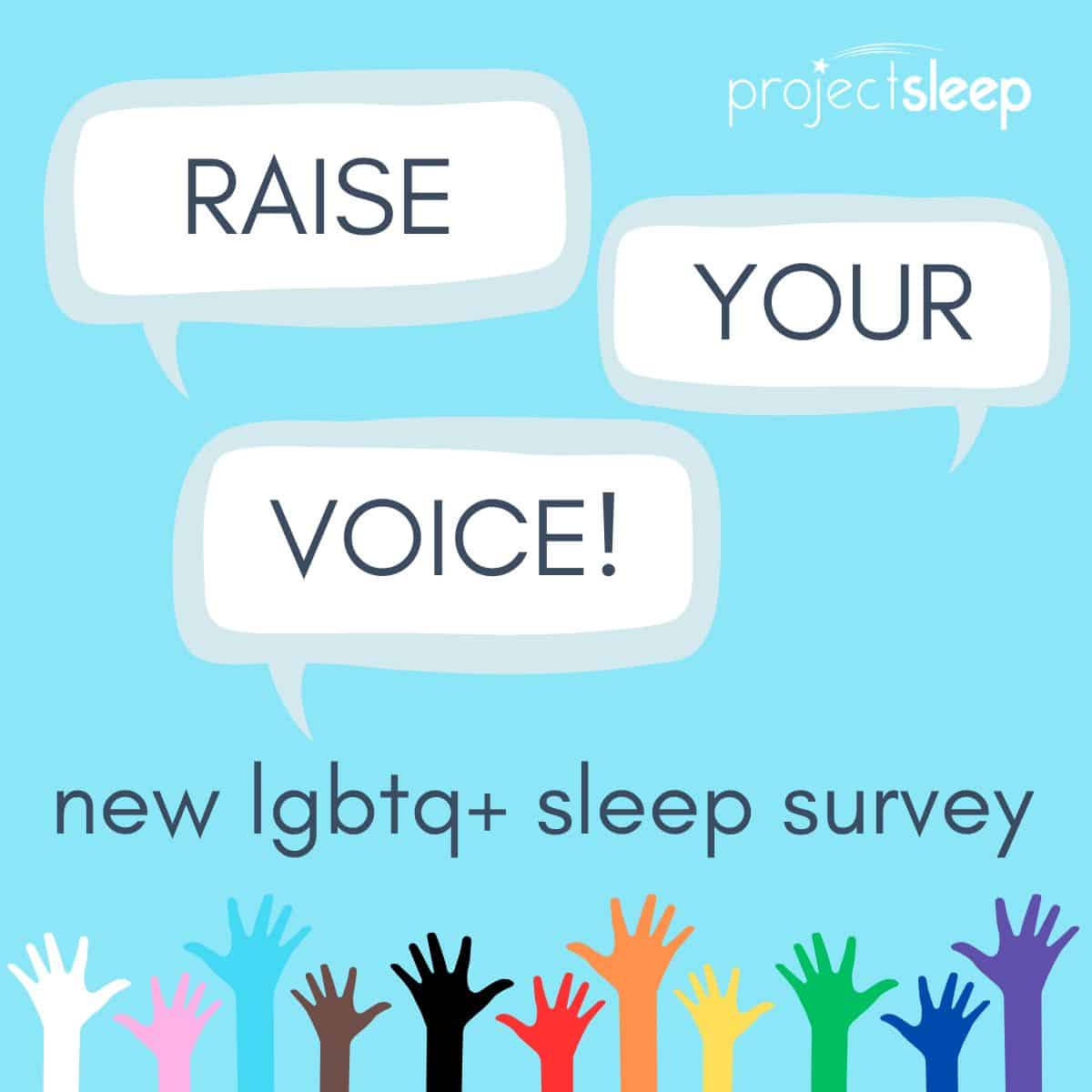
We want to hear from you! If you are an LGBTQ+ adult age 18 or older, we invite you to participate in our LGBTQ+ Sleep Survey. Your insights will help inform our advocacy and awareness campaigns, and advance dialogue on LGBTQ+ sleep health in the legislative, research, and medical communities.

Project Sleep is dedicated to raising awareness about sleep health, sleep equity, and sleep disorders. Click here to learn more about our sleep equity work.

Are you living with narcolepsy or hypersomnia? Wake Up Narcolepsy offers a free online LGBTQIA+ support group. To join, make an account on HeyPeers.com and follow Wake Up Narcolepsy. From there you’ll be able to see all of the groups and register.

Share this...

Leave a Reply

Your email address will not be published. Required fields are marked *

Fill out this field
Fill out this field
Please enter a valid email address.
You need to agree with the terms to proceed