Talking to Your Doctor About Sleep Issues

Sleep disorders affect 1 in 5 Americans, yet the majority remain undiagnosed. Millions face sleep issues alone, thinking their challenges are a sign of laziness or a character flaw. Unfortunately, discussions around sleep with healthcare providers often lead to inconclusive results or misdiagnoses.

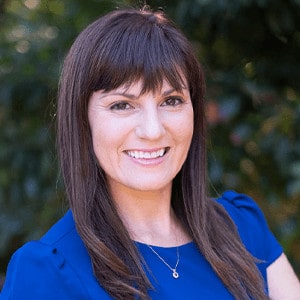
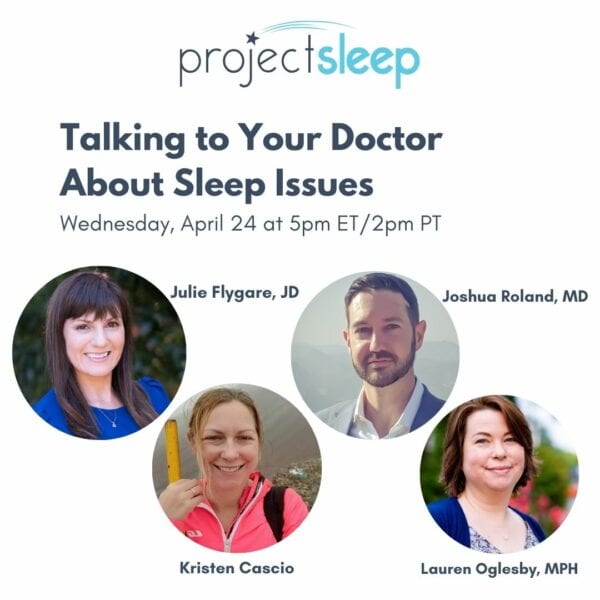
Project Sleep President and CEO, Julie Flygare, hosted the “Talking to Your Doctor About Sleep Issues” broadcast with featured panelists Dr. Joshua Roland, Kristen Cascio, and Lauren Oglesby to discuss how to approach speaking with doctors about sleep issues, effective language for describing symptoms, and self-advocacy tips to help reach an accurate sleep disorder diagnosis sooner.

Use the buttons below to jump to the different formats of this conversation and be sure to download our Talking to Your Doctor About Sleep Issues toolkit for more info.

Recording

Toolkit

Podcast

Transcription

Download the Talking to Your Doctor About Sleep Issues Toolkit

Project Sleep’s toolkits bring together insights from live discussions featuring clinicians, patients, and subject-matter experts. Each guide offers practical tools, fresh perspectives, and actionable tips to help individuals navigate the featured topics with confidence and clarity.

Short-Term Sleep Issues vs. Chronic Disorders

Everyone experiences occasional sleep difficulties at times, so where do we draw the line between a temporary issue versus a chronic sleep disorder? It can be hard to tell.

Generally speaking, short-term sleep issues are temporary disruptions in sleep often triggered by something like stress, jet lag, a change in routine, illness, grief, or a specific life event. Signs of a short-term sleep issue include:

  • Difficulty falling asleep or staying asleep for a short period
  • Feeling tired or less focused during the day
  • Symptoms typically improve as the stressor or trigger resolves

What can you do to improve sleep? For short-term sleep issues, focusing on good sleep habits may help, including:

  • Maintaining a consistent sleep schedule
  • Creating a relaxing bedtime routine
  • Avoiding caffeine and alcohol before bed
  • Engaging in moderate exercise 

Unlike short-term sleep issues, chronic sleep disorders may not have an obvious trigger and often require professional assessment. Symptoms of sleep disorders often occur during the day, making them easy to misattribute to other health issues. Additionally, we often explain away symptoms, thinking that they are a product of our personalities, bad habits, or simply having a busy lifestyle.

Your sleep issue may be a sign of a sleep disorder if:

  • You’re already following basic sleep health practices like keeping consistent sleep/wake times, avoiding caffeine and alcohol in the evening, and keeping a dark, quiet, and cool bedroom.
  • You’re having issues sleeping at night or staying awake during the day on a regular basis for at least three months.
  • You’re noticing negative impacts on your daytime life including your energy levels, concentration, mood, motivation, productivity at work or school, or having trouble driving.

Common Sleep Disorders and Symptoms

Below is a list of common sleep disorders and links to more information. If you recognize any of the symptoms in yourself or a loved one, it’s important to speak with a doctor to get tested.

Sleepiness, Fatigue, or Depression?

There are a variety of terms and phrases commonly used to describe feeling “tired,” such as sleepiness, fatigue, and depression. Overlaps can exist between these terms; sleep issues can cause depression and anxiety, and, in turn, having depression and anxiety can cause sleep issues. Considering the question, “If I laid down, would I actually fall asleep?” can be a helpful way to steer the conversation with your doctor.

  • Sleepiness: the desire to fall asleep (a.k.a. drowsiness)
    • If you did lay down, you would fall asleep
  • Fatigue: a lack of both physical and emotional energy and motivation (a.k.a. tiredness, exhaustion, and low energy)
    • If you did lay down, you might not actually fall asleep
  • Depression: persistent feelings of sadness, disappointment and hopelessness, along with other emotional, mental, and physical changes that interfere with daily activities


To me, sleepiness is what I was going through all these years, but that didn’t feel like the proper word – it didn’t feel like enough to describe what was going on. I wish I had known to use the term “sleepiness.” I think that would have taken me down a different path earlier.”

– Kristen

Sleep Disorder Screening Tools

When a patient is pursuing a diagnosis, their doctor may use a variety of diagnostic tools. Generally, these include:

  • Clinical history, including a sleep diary
  • Bloodwork
  • Actigraphy (a non-invasive method of monitoring human rest/activity cycles)
  • At-home sleep study
  • In-lab overnight sleep study (polysomnogram, or PSG)
  • In-lab daytime nap study (multiple sleep latency test, or MSLT)

Many physicians also use screening questionnaires to help assess potential sleep disorder symptoms. While the following questionnaires are not a substitute for professional medical advice or diagnosis, they are supportive tools that can empower you with more information and give you the language to describe your symptoms more precisely.


This weird thing that’s been happening to me for a few years is a checkbox. I remember thinking, ‘this is real.’”

– Julie

Tips For Talking to Your Doctor

The following tips can be helpful for navigating appointments and ensuring that your doctor has a good understanding of your experience:

  • Ask friends and family what they’ve noticed
  • Prepare “talking points” and bring them to your appointment
  • Take notes or have someone else take notes
  • Save test results and appointment summaries
  • Be clear about your goals

When explaining how you’re feeling, provide specific, concrete examples of how your sleep issues and symptoms impact your daily life. Examples might include:

  • Falling asleep during a meeting, or while driving
  • Needing to set multiple alarms or have someone wake you
  • Feeling like you do not know where you are or what you are doing for a long time after waking
  • Forgetting if you already took your medication or not
  • Skipping a dinner date or birthday party to sleep
  • Feeling sleepy during the day but wide awake at night
  • Feeling sudden muscle weakness while laughing at a funny movie scene
  • Seeing and/or hearing someone in your home when no one is there
  • Hurting yourself or your bed partner accidentally

For more tips on how to prepare for appointments, visit our Questions to Ask a Sleep Healthcare Provider page


Remember that you are the expert of your situation and the PCP might not necessarily be a sleep expert. It might not be you asking your PCP what to do but instead suggesting that maybe you could have a sleep disorder and that you’d like to be evaluated by a sleep specialist.”

– Julie

Finding A Sleep Provider

Not all doctors are familiar with sleep disorders. Your journey will likely begin with your primary care physician (PCP), but it’s important to consult with a board-certified sleep specialist.

Sleep medicine specialists are doctors who completed extra training in sleep medicine. Although all sleep specialists receive training on the full range of sleep disorders, they may approach care differently and have expertise in certain sleep disorders depending on their primary specialty and other training. Your PCP can refer you to a specialist, or you can visit the Sleep Center Directory for a list of facilities accredited by the American Academy of Sleep Medicine.

The Society of Behavioral Sleep Medicine has a directory of accredited members who provide treatment for sleep disorders using cognitive behavioral therapy and other psychological interventions.

Learn more about the different types of sleep healthcare providers on our Finding Your Sleep Healthcare Team page.

A few things to keep in mind while choosing your sleep provider:

  • If you suspect you may have a particular condition, choose a doctor who specializes in that condition, if possible.
  • Staying within the same practice or hospital system can be beneficial.
  • Look at a potential physician’s participation in research, trials, or sleep organizations.


If you’re having sleep issues and see a provider who navigates sleep and it doesn’t result in a diagnosis that feels right, it’s never a bad idea to check with another specialist who has a different perspective. They might pick up on some things that the first sleep doctor didn’t.”

Dr. Joshua Roland

Self-Advocacy

Here are some strategies our panelists found effective in helping to regulate their emotions and effectively advocate for their needs:

  • Persistence is key
  • Ask for clarification, time, and help
  • Get other opinions if you feel something is off
  • Remember your intention
  • Pause and reflect on your experience after an appointment
  • Take breaks when you need them, and take care of your mental health
  • Access patient advocacy and navigation resources, like Project Sleep’s Sleep Helpline™
  • Reach out for community and social support


It’s keeping up with everything—knowing where you are in the process and what the next step is, making those follow-up phone calls, and continuing to persist in getting what you need for yourself.”

– Lauren

Talking to Your Doctor About Sleep Issues Toolkit

Feeling sleepy or fatigued during the day after a full night’s sleep, on a regular basis, can be a sign of a sleep disorder. But there are many reasons people may feel chronically tired, and it can be difficult to pinpoint underlying causes. Often, conversations around sleep with healthcare providers lead to inconclusive test results or misdiagnoses.

With information on effective language, sleep disorder symptoms, screening tools, and diagnostic procedures, we believe more people can reach an accurate sleep disorder diagnosis sooner. Download our Talking to Your Doctor About Sleep Issues Toolkit for more info, advice, and insights on this topic.

Talking to Your Doctor About Sleep Issues: Listen or Watch!

Project Sleep Narcolepsy Nerd Alert
Talking to Your Doctor About Sleep Issues (Season 1, Episode 21)
Transcribed by Mirela Starlight

Julie Flygare, JD is the President & CEO of Project Sleep, an internationally recognized patient-perspective leader and accomplished advocate, speaker, award-winning author of the book Wide Awake and Dreaming: A Memoir of Narcolepsy and Stanford Medicine X ePatient Scholar diagnosed with narcolepsy and cataplexy in 2007. She received her B.A. from Brown University in 2005 and her J.D. from Boston College Law School in 2009. 

Dr. Joshua Roland Joshua Roland, MD studied psychology at Temple University in Philadelphia. Before attending medical school he worked in clinical research conducting studies on sleep pharmacotherapies. Dr. Roland completed his residency at Drexel University College of Medicine and then did a sleep medicine fellowship at Emory University School of Medicine. He currently is the medical director of River at Thirty Madison.

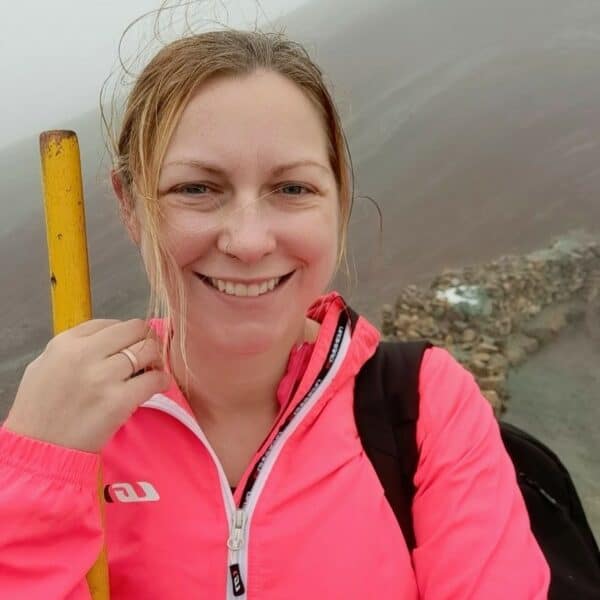
Kristen Cascio is a clinical social worker and world traveler from Boston. She was diagnosed with obstructive sleep apnea at age 31. Kristen now hopes to raise awareness while encouraging others to never feel self-conscious about their diagnosis. As a speaker with Project Sleep’s Rising Voices program, she shares her story to increase public knowledge around sleep apnea diagnosis and treatment.

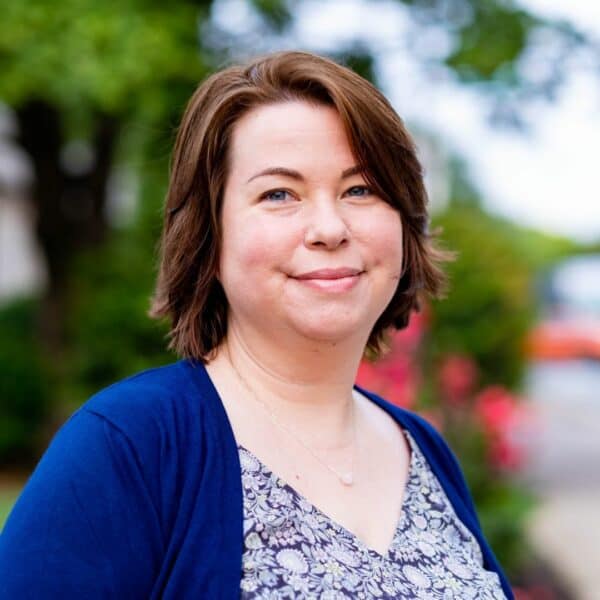
Lauren Oglesby serves as Programs Manager for Project Sleep, and is a public health educator and advocate focused on healthcare and resource accessibility. Recently diagnosed with obstructive sleep apnea at age 44 after experiencing symptoms for years, they share their story to validate and empower others in self-advocacy and healthcare navigation.

In this podcast Julie was joined by special guests Dr. Joshua Roland, Kristen Cascio, and Lauren Oglesby to discuss how to approach speaking with doctors about sleep issues. They discussed talking to your doctor about sleep issues, with a focus on sleep apnea, including personal diagnosis stories as well as questionnaires and the different types of care providers who have knowledge of and can treat sleep disorders.

The Narcolepsy Nerd Alert series invites listeners to dive deeper into specific topics relevant to living with Narcolepsy. This is a written transcription of the podcast “Talking to Your Doctor About Sleep Issues” (Season 1, Episode 21) from Project Sleep.

Project Sleep is a 501(c)3 Nonprofit Organization, dedicated to raising awareness and advocating for sleep health, sleep equity and sleep disorders.

All guests and speakers express their own opinions. While medical diagnoses and treatment options are discussed for educational purposes, this information should not be taken as medical advice. Each person’s experience is so unique, which is why it’s so important to always consult your own medical team when making decisions about your own health.


Julie: Hello! welcome to our broadcast today, we are so excited today to talk to you about how to talk to your doctor about sleep issues! Such an important question and conversation. So really excited today to have some special guests with us, and I think I’ll go ahead and let them introduce themselves and share a little bit about their background and why they are with us today. So, Dr. Roland, do you want to go ahead and go first?

Dr. Roland: Yes, I’m Josh Roland, I’m a board certified sleep medicine physician, the Chief medical director of Sanusom, which focuses on C-PAP adherence. Also an advisor for Dreem and Thirty Madison on their sleep endeavors. Long history in sleep medicine and this topic is especially important to me. I was also trained as a family medicine physician so I kind of saw that side of things as well. So happy to be here and hopefully provide some context with that. So thank you, Julie.

Julie: Yeah and Josh is also the author of this book I Am Getting a Sleep Study!, which I have here without a signature, I can’t wait to get his signature on the book. But tell us why you wrote the book. 

Dr. Roland: It’s just a book to walk through for parents and kids, how to get a—what the process is for a sleep study. I remember when I was young I got my tonsils out and we had a book that just like walked through the process— made it simpler, less scary. So there was really not a lot I saw in terms of that for sleep. Sleep studies can be very confusing, very scary if you’re not sure what you’re getting into, so—just kind of a very brief kind of overview of what happens during a sleep study to help kids and then there’s tips for parents as well to help out a little bit with the process.

Julie: Think this could help adults too! It’s kind of scary as an adult.

Dr. Roland: It could, yeah. It’s amazing how many parents it actually helped them out they said, you know just as much as the kids, so. Hopefully something useful out there. People getting sleep studies.

Julie: Thank you. And Kristen! Introduce yourself.

Kristen: Yeah, thank you so much for having me here. My name is Kristen Cascio, I am a clinical social worker, I live in Boston but I am here today for the patient perspective because about four years ago I was diagnosed finally with obstructive sleep apnea, I’ve been using a C-PAP ever since and I always joke I’m sort of emotionally attached to my C-PAP now because I’ve had such a great response to it but before I made it to that point, I had from my teenage years 15+ years of daytime sleepiness and other symptoms that I did not know were sleep apnea so I’m really happy to be here and for all the work that Project Sleep does. 

Julie: Thank you, Kristen. And Lauren, our programs manager, she runs our rising voices program, but Lauren you want to share especially why you are a special guest today on today’s broadcast?

Lauren: (laughs) So after working with Project Sleep for almost four years now, I was just finally diagnosed with sleep apnea two weeks ago. So I’m here today to also talk about my perspective as a patient going through the whole process and— like Kristen, I was probably living with symptoms for at least 20 years and not really realizing it, until I started working for Project Sleep and it still took me a long time to realize that might be what I was dealing with, and—so here we are— and looking forward to starting treatment, kind of. Interested to see what will happen. (laughs) Just along for the ride. 

Julie: Awesome, and thank you for sharing both your personal story and all you do to organize us professionally and bringing both together is—we hope that we don’t make sleep disorders, what’s it called—contagious or something, over here— (laughs) I’m glad that we could help empower you with information to, you know, get help—but it still was a long process, so. 

Lauren: For sure. 

Julie: I think just to kind of start the conversation, it’s somewhat important to kind of understand what symptoms might be part of a sleep disorder diagnosis and we don’t always connect these things to sleep issues, especially ‘cause I think a lot of sleep issues really come out during the daytime. And that’s not something that I think is discussed nearly enough. That having a sleep disorder doesn’t mean that you just have an experience that’s bad at night, but also could be during the day. So, we just have a long list here of some different things. 

Julie: Let’s see. I mean I know from my experience, the first thing that really stuck out to me was not being able to drive in the morning after a full night of sleep and not remembering the end of that 15 minute drive. And that seemed striking. Then when I look back I realize that like, my inability to get through law school studies, you know, I was like reading the same text over and over again and not remembering what I was reading. But I really didn’t think of that as a sleep issue. I thought I somehow lost my willpower. I think it’s just really good to just really understand all these different things could be a symptom of a different sleep disorder. Does anyone have anything to add here? 

Dr. Roland: You kind of nailed it where there—some of the symptoms are very obvious, waking up at night or trouble falling asleep, but there’s a wide range of symptoms that are not obvious that are related to sleep disorders. Cognitive function, mood, or headaches in the morning—different things, attention span, ADHD symptoms sometimes can be related to sleep disorders. Different things, other health conditions that people don’t think about, so difficult to control blood pressure can be a sign of sleep apnea. So those very overt ones that we all kind of think about and then there’s a ton that we don’t always put together until after the fact, potentially. You know, after the diagnosis or after someone suggests them. So it’s important to be aware of the breadth of different symptoms that can be related to sleep issues. 

Julie: Yeah. 

Lauren: I know for me, I think brain fog is the worst. And I was wondering, do I have some kind of ADHD or something like that, because if I don’t write something down I can’t remember it, and—it really kind of interferes with a lot of my functioning and it can be really embarrassing. I haven’t started treatment yet but I’m interested to see if that is alleviated. But again thinking back to my symptoms, like early days, I remember like Julie, reading the same text book material over and over and over and over and not being able to retain it. I think that was maybe 20 years ago in college. So, and then feeling like I have a band of pressure around my head. All these weird things that I didn’t put together as symptoms of a sleep disorder.

Kristen: I can relate to that too and I love what Julie said, that it’s not what’s happening when you’re asleep, it’s what’s happening during the day because I thought for years and years, I can’t have a sleep disorder, I sleep fine every night, I don’t have any problems with my sleep. But I didn’t know that I was waking up all throughout the night, not really getting consistent sleep. 

Kristen: But some of the things that stood out for me that I wish I could’ve gone back in time but I just accepted was part of my life are the morning headaches, I had a headache almost every single morning and I just did not know that that wasn’t typical and usually I was just running out the door to whatever next thing I had to do and I’m sure we’ll get to it later but, you know, the things you do to explain away the symptoms, I think that really took ahold of me for a long time. The trouble staying awake during the day, it wasn’t just because I was busy, or I was in school or I was doing this, that or the other thing. It was because I had a sleep disorder, and I was busy, doing all of these other things. 

Julie: Kristen, can you remind me what it was for you that was the turning point, you know from thinking that somethings just your personality or just that the headaches are just a thing. When was it when you were like, oh no I think something’s wrong. 

Kristen: Yeah, well I had a lot of periods at the time where I was like, oh no I think something is wrong, but I still never thought it was a sleep disorder that was wrong so I just sort of went in circles with doctors all the time trying to rule things out. Like we would track my mood, track your period, track my sleeps— waking up and going to sleep, which also didn’t turn into more questions about my sleep which If I had known that at the time I would have investigated a little bit further.

Kristen: But I had a lot of turning points where I got really frustrated but the one that really stuck to me was, I was working from home and every day at 5pm I would feel like I had to walk right from the office over here across the hall to my bed and go back to sleep. I was just so frustrated and I was looking around me like, I’m not any more busy than anybody else right now— it was also during COVID— I don’t have anything else really going on that other people don’t, so why am I so much more tired than those people. 

Kristen: And so I had armed with me the years and years and years of other things that had been ruled out. So I kind of pulled together my own little diary, I guess little like advocacy diary and I tracked my own sleep, mood, things that I had going on during the day for weeks and brought that to my doctor and said like, I think something else is going on here. And that’s what really finally spurred the sleep study. 

Julie: Wow. That’s really interesting, especially during the pandemic ‘cause I feel like—yeah, I mean if you were just home, you didn’t even have to drive. 

Kristen: Yeah. 

Julie: So just like, less things to make excuses about. (laughs)

Kristen: Mm-hmm. Yeah, exactly, exactly. (laughs)

Julie: Wow. So thank you. I want to just mention here, Dr. Mark Patterson had mentioned a really great point, about making sure to mention your sleep concerns to your doctor, ’cause they may forget to ask about it during the routine visits. Thank you Dr. Patterson, that’s definitely why we’re doing this— (laughs) because— we know that primary care doctors just generally don’t receive much education on sleep and so we’re hoping that this is a tool to empower people— you know, the patients—to somewhat be educating their doctors and helping to take next steps. 

Julie: So, yeah that’s what we’re really hoping to do here. Unfortunately because we’d love that the doctors or the advocates, we’d love that they’re the ones asking the questions, the right questions, and that we could just—rely on them to do that work, but at this point it seems that the patients have to be more proactive. 

Julie: So, yeah I think just providing really specific examples can be really helpful and how that impacts your daily life in really concrete ways. I think that’s just something that I’ve noticed helps me even understand other people’s experience, like when Kristen just described about going across her house to her bed right after work at 5pm, I could really visualize that and that really helped me better understand how that was really playing out rather than just hearing the word like, I’m tired every day. Like, I don’t know what that looks like. And I mean, asking friends and loved ones, I’ve heard a lot of people say that they didn’t realize something was wrong until they moved in with their fiancé or something and then their fiancé’s like, somethings not—this isn’t normal. 

Julie: Not that we’re not— well, we have our own experience and our own experience and our feelings are—and what we understand about ourselves is really important, ‘cause a lot of this can be really invisible, but also I think too it can be really easy to kind of make excuses or I know for me I repressed a lot, ’cause I felt ashamed. So, falling asleep in class, or closing my eyes in class and then waking up and catching eyes with my professor, I felt a lot of shame around that and I think I sort of—I pushed it back in my own head. Because I didn’t like that that was happening to me. 

Julie: And then it was interesting years later to find out from someone who’d taken a lot of classes with me that they were not surprised at all I’d had a narcolepsy diagnosis because they had watched me almost every day fall asleep in class. And I had no idea that they had seen that that way. So, what do you guys think about this? 

Kristen: Julie, I did not know until I went to college and had a couple of roommates that most people do not regularly take six hour naps. Like I just thought that that was a thing that people did during the day. And so that really got me thinking— (laughing) at that time if I regularly need to take a six hour nap, maybe something else is going on here. So just seeing the comparison, between, you know, other people your age sort of functioning at the same level as you, with the same responsibilities, how they’re getting through their days differently, I think you can really highlight the differences.

Dr. Roland: And those stories too can be helpful for anyone speaking to your provider, just the specifics that some of it is hard to differentiate what is pathological, what is not. You know if a kid in their teenager or someone in their 20s comes and says they’re tired, a lot of us were tired in that age or a lot of people were tired in that age. If someone comes and says hey, I’m sleeping six hours— you know, taking these six hour naps—that quantifies it a little bit more, and hopefully helps alert the provider that this is not normal behavior, something more needs to be looked at there. But the specific story is going to absolutely just help—just kind of highlight what exactly you’re experiencing and help with the discussions with the provider. 

Julie: Yeah, I mean teens seem really scary, it’s a scary time because often with the school start times being so early that all students might be sleep deprived and so how does a student with a sleep disorder almost stand out from a chronically sleep deprived group of teens. Yeah. I guess it’s probably, I guess those additional things. Like, you know, having headaches or cataplexy or hypnogogic hallucinations you know that probably I guess would end up making someone stand out—would that be sort of what you’d be looking for? 

Dr. Roland: Those would certainly be like red flags, but I mean that’s the part that gets really hard is especially certain groups. I think that group is one of the hardest and that’s unfortunately where a lot of these sleep disorders present, in that kind of age group, but— we have a delayed circadian rhythm, we have early school or activities—often all of us don’t have the best sleep habits in that time, in terms of what we’re doing and being social and you know everything else— that it’s a tough group. That you know it does just take some work to dig in and it does take a provider that’s thinking about sleep disorders when they’re kind of looking at all these symptoms to hopefully get them in that direction and get the patient diagnosed. 

Dr. Roland: It’s unfortunately where a lot of people with sleep disorders are misdiagnosed, or— I should say not fully diagnosed, or they might be diagnosed with depression, or something else going on that does kind of make sense from a perspective but it’s not really capturing the entire picture of what’s going on in terms of sleep pathology. 

Lauren: I think this point too about asking friends and loved ones what they’ve noticed, I think sometimes the people close to you can maybe observe and understand you a little better—maybe when you’re in denial or something, about something that might be going on with yourself. Like for me my husband was concerned about me ’cause he would say that I would kind of wake up with a gasping noise and that was a big red flag. That was actually one of the things that helped me continue pushing for a diagnosis ’cause like—even though my first two sleep studies were inconclusive, I was like no, this is happening, you know. 

Lauren: So having that information was super helpful and then also just the way that it was affecting my family also motivated me because I remember my at the time 14 year old and I went to see this new studio Ghibli movie, it was like the first movie they’d released in a long time, we’re big fans, we were super excited— and you know, we get to the movie theatre and I fell asleep two thirds of the way through the movie, and missed all but the very end of the movie. (laughs) 

Lauren: And it was so crushing ’cause it was something we’d been so excited about to do together and then it just looked like I wasn’t into it and so, you know, my kid is noticing that too. And so that’s a bit of motivation and also information that can be helpful I think to take to your doctor is like, how it’s affecting you in your daily life and then also what other people are noticing. 

Julie: Yeah. And sometimes I think even bringing a loved one with you to an appointment, if that’s possible— can be helpful. I don’t know, sometimes I feel like—I don’t know, I know we have a really wonderful doctor with us, I don’t want to— (laughs) put down doctors, but—sometimes almost like hearing from not the patient can be helpful— like the loved one. I don’t know. Do you feel that way? 

Dr. Roland: Absolutely. I think it’s extremely helpful to get the bed partner history with anything sleep related. Obviously we only have a limited idea of ourselves, what’s happening during sleep, so having that perspective is really crucial. And you know really the amount of patients that come into clinic, really referred by their significant other or family member is enormous. 

Dr. Roland: You know, I’ll ask the patient what brought them in the sleep clinic, so many times you hear the answer of, my bed partner or my family member was just concerned that I do x,y,z in my sleep. And they weren’t even aware of it. They end up having severe sleep apnea or some other condition.And having that context, having that perspective, and that history from somebody witnessing these behaviors first hand, you know, it’s huge. 

Dr. Roland: We ask a lot of questions, hopefully to get at the bottom of a sleep diagnosis, but we’re really not seeing what’s happening in the bed. We do sleep studies which give us a lot of really great information of what’s happening during sleep, but it’s not going to capture everything that’s always happening at home. So that history is really important, I think most if not all sleep doctors really appreciate getting that input if possible. 

Julie: So, I think this is an important topic to address because of the language that we use and how we talk about sleep and sleep issues. I think before I entered this field or community, I think I would have thought of the word fatigue or tired kind of interchangeably. And now I think we’ve—we try to point out that these words might mean sort of different things. So, you know, sleepiness is—we see more as the desire to fall asleep and almost like that if you had the opportunity to sleep that you actually would fall asleep. 

Julie: And that fatigue is more a lack of both physical and emotional energy and motivation— but sort of that if you did lay down you might not actually fall asleep, you’d just—you’d stay awake, but without energy. And so it’s interesting I did just have a friend here from the Netherlands who is a neurologist and a sleep specialist and she said that in the Netherlands, tiredness is—well I think, I mean I guess it says here—so I thought being tired is more like sleepy. But it says here that tired is more like fatigue. So maybe I got it wrong. (laughs) But maybe tired is a confusing word. And maybe somewhere in the middle between these things. 

Julie: And then of course, depression— ’cause some people get diagnosed with depression— so depression is more a consistent feeling of sadness, disappointment, and hopelessness along with other emotional, mental and physical changes that interfere with daily activities. And I think, you know, sleep issues can also cause depression and anxiety but also it can go the other way too, that I imagine depression and anxiety can lead to sleep issues. That also I think with depression would be a case that if someone laid down on a bed they wouldn’t necessarily fall asleep. Is that—am I getting the right gist there? (laughs) 

Dr. Roland: Yeah, I think so. I mean there’s such an overlap in these symptoms, but they are definitely distinct as well, and sometimes very important to make these distinctions to get the diagnosis. You mentioned sleepiness is just a propensity to actually sleep— versus fatigue, you know, lack of energy—and then depression, it’s really a very common psychiatric, psychological, you know, medical condition there— mental health condition. 

Dr. Roland: And then a lot of bi-directional relationship between mental health and depression and sleep as you mentioned, that not sleeping well can cause depression but also being depressed can cause sleep issues, so— these are all important differentiations to make, but a lot of overlap that can be challenging even for physicians to kind of tease this apart and look at these as different components. 

Kristen: I think even now I still mislabel how I’m feeling, because to me sleepiness is really what I was going through all of these years, but that didn’t feel like a proper word. It didn’t feel like enough to describe what was going on, so I would always say, I don’t have any energy. And or, I’m so fatigued. But then that does take you around a lot of diagnoses, you know, thyroid issues, mental health issues, everything, there’s so many things that can cause low energy—just being really busy! 

Kristen: So I don’t fault any doctor for taking me down that line, they’re trying, they have really hard jobs I think, primary care doctors especially because there’s so many things that can be going on. But I look back, like I wish I had known to use the term sleepiness because I think that would have taken me down a different path a little bit earlier. 

Kristen: And really there was a very important tipping point before my real tipping point that I was just thinking back the other day. Even when I went in, with my little log that I had come up with myself about how much I was struggling— my doctor at the time, it was an endocrinologist because I do also get treated for my thyroid and she said to me, this is 100% not your thyroid, but I’m not really sure what else it might be and I think we might diagnose you with chronic fatigue syndrome, but—and we can’t really do anything if that’s what you have, but let’s just get you a sleep study. 

Kristen: So I was like right on the tipping point there and so I think language makes such a big difference and that’s why it’s so important that, you know, we’re getting this out there. So people can come in a little bit more informed. 

Julie: Yeah, I remember on our—we had a broadcast about brain fog, and we talked about how the fact that there’s these different stages of sleep— but that wakefulness, when we talk even about wakefulness we pretend it’s all one thing— and it’s really not. It’s not like you’re just 100% wakeful. At least not as a person with a sleep disorder. So I don’t know if that’s kind of a different—but you know, having your eyes open—but that your brain is not there with you, or—that the consciousness in itself is not a perfect, it’s not always like you’re just perfectly 100% present, able to remember, all that. 

Julie: I don’t know if that’s another sort of way into this conversation about how it’s just so much more complex— what it means to be awake versus asleep— and the grey areas in between. But I agree with you Kristen, like no energy—like that’s how I feel all the time! (laughs) You know? 

Kristen: (laughing) Yeah. Yeah. (laughing) 

Julie: That’s a great description, it’s like I have nothing left, like there is nothing left in my tank, I need to leave, like right now. 

Kristen: Mm-hmm.

Julie: But— I guess I just really like kind of helping to distinguish for people, well if you laid down would you actually fall asleep, you know.

Kristen: Mm-hmm.

Julie: I think that’s an important question to at least tease out to some extent, whether it’s some sort of sleepiness versus fatigue. 

Dr. Roland: You know, fatigue is a very, very common concern in primary care and it can be so many—you know, so many different things can cause or contribute to fatigue. Often it’s multifactorial, where there’s a few different things going into it. And so some of the issue is that, you know, I think most doctors really want to help, but they help with the things that they know how to deal with, right. So primary care doctor if you come in complaining of sleepiness, fatigue kind of picture, they’re going to order lab work, they’re going to look at, you know, iron, thyroid, metabolic panel, assess your mood potentially and kind of do the things that they know well.

Dr. Roland: And you know they might not be thinking about that your fatigue is really sleepiness and that you might have a sleep disorder, so again I think a very important distinction to help—yeah, really work together with your physician, the kind of coming to if that’s what you’re going through. 

Lauren: I would just say like, I feel so lucky that when I did start to pursue a diagnosis I had the language, because I worked with Project Sleep— (laughs) 

(Julie laughs) 

Lauren: To ask for a sleep study, because I would have just described it as fatigue and I was describing it as fatigue for years and my blood work was always normal, I just was accepting, well this is just how I am, maybe I’m depressed. I took medication for depression, it never really changed anything. But then once I started kind of putting the pieces together I just straight up asked for a sleep study. 

Lauren: And I have a wonderful nurse practitioner who listens to me and is extremely caring and open and so he went ahead and just referred me for one right away and that was—it still took a year and a half—to get the diagnosis, but I was able to start that process without continuing on the treadmill of testing and not getting any answers.

Julie: Some of the worst thing I hear is often that maybe they go through a few tests, like thyroid and iron and then when a doctor isn’t sure what to do next, I’ve heard things like, well, you’re a teacher, so—or you’re a mother, so—and that’s really what worries me, is how can sleep become one of those next tools, you know, once they’ve gone through those initial, general items in the toolbox, how do we get sleep in that toolbox so it’s not going back to—it’s just your character, or—

(laughing)

Julie: Or you’re too busy. 

Kristen: Mm-hmm. Your lifestyle. 

Dr. Roland: They’re dismissive, or—many people get diagnosed with depression, is— that’s kind of where it stops them. The primary— you know, the physician will say, oh you have depression and many people with sleep disorders first went through that kind of round of treatment, you know where they thought they had depression. 

Dr. Roland: And again, that might be a part of the constellation of their symptoms, that might’ve been beneficial treatment, as you mentioned as the bidirectional relationship between sleep and depression, but— you know it’s very often there’s something more going on with sleep disorders, so—it’ll just be a challenge to navigate. I mean particularly if you went through all those tests and everything was fine and you came back and they told you that—it’s just you, or your mood or whatever, it can be frustrating. 

Kristen: Which I guess in terms of the depression piece, I’ll just jump in here— for a lot of the advocacy work that you’re doing is focused on primary care, well all health care providers— but I am a clinical social worker and you learn when you’re treating or assessing for depression just to ask about somebody’s sleep, but we didn’t learn anything about sleep disorders. You just learn like, how is your sleep, basically. So maybe that’s an area too that needs to be expanded on in our clinical training programs. If I knew then what I know now— (laughs) I think things would’ve been a lot different.

Julie: Yeah. I think that’s really important. And a lot of the work that we want to try to do to partner with the mental health space too and make sure that they can consider sleep disorders as a resource in certain cases. 

Are you facing sleep issues or a sleep disorder? Project Sleep is now excited to have the Sleep Helpline: a non-profit-led free national helpline providing personalized support and resources. You can reach out today to speak with a compassionate resource specialist who will listen and help provide accurate sleep disorders information, resources to help navigate daily living and the healthcare landscape, and connect you with a certified sleep center and patient support organizations. Contact the Sleep Helpline at 1(800)819-2043 or by filling out a form on our website at project-sleep.com 

Julie: So there are some things that you can— you know, questionnaires that you can take at home. Josh, I don’t know how you feel about people kind of filling out stuff in advance, or if you’d rather they just kind of come in. I don’t think I did anything in advance. But I think these are some of the things you can access yourself and the sleep disorders symptom checklist is a newer tool— 25 questions that screens for 13 different sleep disorders, so Project Sleep is really proud to try to promote that as a good— really quick way to assess for a wide variety of sleep disorders. 

Julie: I mean it’s not a diagnosis by any means, it’s just a survey or— to just give you a sense. But I think it’s just important to know that these tools are out there, so that people can sort of be more empowered with some information.

Dr. Roland: So I think it’s never a bad idea to look at symptoms and kind of get a sense of things, you know particularly if you’re not getting the answers that you kind of think are relevant with your provider. I would say all these tools are really helpful in a certain context, and a lot of it’s having the right population that you’re applying them to. So it can sometimes be a little misleading if you do them on your own, a lot of them were not designed or validated to necessarily do on their own. And it might be designed in a specific population. 

Dr. Roland: STOP-BANG, for example, really great screening tool, or pretty good screening tool that we use very often— or recommend for primary care or other doctors to use to assess for sleep apnea—really was a tool that was validated for a presurgical population to assess risk for sleep apnea prior to surgery. 

Dr. Roland: So that looks a little different than kind of the overall just population that might have sleep apnea. In some studies out recently, that the STOP-BANG maybe doesn’t account for certain genetic differences and a couple other things. I think it’s never bad to look at these and help kind of get a little bit of idea of what’s going on and maybe even fill them out, but really they are meant for a certain population, so ideally you know, you have a trained sleep physician or trained provider that can kind of help you navigate these tools a little bit.

Julie: Yeah, I just think they’re kind of important to mention because—what’s the real world, I think— is happening, is that people might have a sleep issue and they’re more drawn towards consumer technologies to think that they’re going to improve their sleep by tracking their sleep. I don’t think we actually included anything about tracking here, and I think Kristen you said part of your story was really tracking your sleep at different points in your journey. But you know, if you are thinking that there could be something wrong, that going beyond just having like— how would you feel if someone brought in like Fitbit data, to say that they think they think something is wrong. 

Dr. Roland: I love it personally, ’cause anything is more data. In the past, they really weren’t validated and were kind of crude. They’re getting better and better in terms a lot of the— you know the remote—consumer data sources that are coming in. Still you’ve got to take it with a grain of salt but at least it’s providing some kind of context and some additional data and I like it too that it shows the patient is engaged, it’s a way to kind of engage and talk about sleep. 

Dr. Roland: So sometimes it can be a helpful step to start the conversations and it shows that they’re caring about their sleep, so—I don’t know if all sleep doctors feel the same way, but I love seeing everyone’s data and you know, sometimes you take it with a grain of salt and it has it’s—maybe a narrow benefit there in terms of looking at things, but it does provide some context and again the technology’s getting better and better over the years, that I think there’s more and more opportunity for those to help us make decisions.

Kristen: I think for me the only screening tool that I’m actually familiar with here is the Epworth Sleepiness Scale, but it actually like—I felt so relieved when I took it because again it was a lot of things that I never really gave a second thought to, ’cause it asks you to rate how likely you are to fall asleep in certain situations. And it was like, right after you had a meal, you know opening up to read a book—I still (laughs) struggle to stay awake reading a book— up sitting watching tv, and I was like, top, top, top, top, top on all of them. So it was kind of validating but pointing out again things that you just kind of explained away for years. 

Julie: I remember the first time I saw a question about cataplexy at the sleep center I went to, and the weird thing for me was it made me realize that there were other people out there that I was like, oh my god this weird thing that’s been happening to me for a few years is a check box. 

Kristen: Mm-hmm.

Julie: Like, this means that other—so it was super validating for me in a way too, to just like, really make—this, this is real. (laughing) So that was kind of a neat experience. It can be difficult for young women with a normal BMI to meet the STOP-BANG criteria. Important to still push to see a sleep specialist if you have symptoms. Yeah, these are not by any means perfect tools, but yeah if you can give a little context.

Lauren: Yeah, absolutely, I actually went and did the STOP-BANG questionnaire today, in preparation for this conversation and I scored low risk for sleep apnea which is what I was just diagnosed with. So, yeah, these aren’t perfect by any means and it’s really important to see a doctor, but I agree that it’s—it’s just validating. Like yeah, this is real, this really happening to me, this happens to other people and like, I’m not making it up, it’s not just in my head. 

Dr. Roland: And they all—they all have a specific use which they’re generally pretty good at, and always good to look at to get an idea what else is out there. To help sometimes maybe, you know, articulate what your symptoms are, like you mentioned there Kristen. That some of these symptoms you maybe would’ve not brought up to a provider if you didn’t see them on a questionnaire beforehand. But again just keep in mind they are for a specific use. 

Dr. Roland: The Epworth, for example, great measurement of sleepiness. Not really been shown to be that well validated between different patients— but it’s a pretty good tool within one person. So if you put someone on a treatment, you can really watch that—the shift in it, hopefully in a positive direction. And that’s been a little bit better validated, so inter reliability versus intra are different for some of them, then just different ways they’re used but I still think great to look at to get a general sense of things— to kind of start the conversations up. 

Dr. Roland: Clinical history’s really kind of the most important thing, which is why these discussions are so important, is really going over symptoms is— you know, really crucial in kind of figuring things out. Kind of along the lines of clinical history, we’ll sometimes use sleep diaries or wearables or actigraphy which help us kind of quantify things a little bit. 

Dr. Roland: Bloodwork can be helpful to look at. Certain things that are associated with certain sleep conditions, or to rule things out that may look like a sleep disorder. Obviously sleep studies play a big role in diagnostics. Both home and lab studies have their positives and negatives overall. I would say, you know, sleep studies are important, and then clinical history is extremely important for any sleep disorder. 

Julie: This is really what the sleep doctor would do. These aren’t things that your primary care doctor would necessarily do. I mean I think—would a primary care be able to get you a home sleep study, possibly, if they were considering sleep apnea, or?

Dr. Roland: It’s a very good point. Primary care would probably not do a lot of these things. They can order testing, sleep testing, and it depends where you are living and kind of the— you know, the sleep support in terms of other providers and logistics on what people will do, and also training. Sometimes home tests or even in-lab tests are ordered by primary care doctors, that’ll start the diagnosis and send them into a sleep physician. Some people prefer it that way, like some sleep doctors would rather you have a study first before you kind of see them. 

Dr. Roland: I know myself and many others would like to just see the patient beginning, get the whole picture, then kind of figure out the test that we need. But absolutely, so primary care could lean in and start looking at blood work, obviously some of the history and then even could order the sleep study. But they might also just refer to the sleep doctor as well. 

Julie: Yeah. I mean we always try to get people to a sleep specialist, ’cause we’re just hoping that they’ll have a better understanding of sleep disorders. Important to think about, if you’re at your primary care, who you might see. Because I remember being really confused even though I had found the words narcolepsy with cataplexy and was pretty sure that’s what I’d been experiencing for years. 

Julie: I didn’t know exactly who to see about it and I didn’t really understand some of these things that like—I think one big thing I’ve learned is that sleep medicine is like a specialty, but it isn’t your primary—Oh, Josh, can you explain it? (laughs) It’s not like your primary thing, like—

Dr. Roland: Yeah, so this can be really confusing for patients and can also cause some problems that maybe you saw somebody that you thought was really assessing for everything such as narcolepsy and maybe that wasn’t a person necessarily who’s trained in doing that. A lot of people are involved in sleep, which is great, in kind of helping support different pathology and treatment. But not everyone is trained in the background to diagnose or manage everything in sleep medicine. 

Dr. Roland: So, not to make it too back— or too boring—but sleep medicine kind of started more in the psychiatric and neurology realm, so a lot of neurologists and psychiatrists were looking at sleep disorders many years ago. Then as sleep apnea was appreciated, so pulmonologists started getting involved in sleep disorders ’cause they knew how to use C-PAP and other things that they used from the ICU that could be used to treat sleep apnea. 

Dr. Roland: And it really was, everyone just kind of chipping in a little bit in their expertise—so a psychiatrist would look at insomnia and kind of manage that aspect, a neurologist would look at movement disorders and narcolepsy and central disorders of hypersomnolence. Then you had pulmonologists that were sort of managing the respiratory aspect of sleep medicine.

Dr. Roland: And then it kind of merged into becoming its own field, where now you can actually get a certification— get specialized in sleep medicine. Many of us, myself included, I solely practice sleep medicine. So there’s still this range where you might have sleep providers that that’s all they do— and they should be aware of really most disorders, or you might still have some providers that are really doing a different specialty but do also navigate and manage and see a lot of patients that have sleep disorders and they’ll try to treat those as well. 

Dr. Roland: But a wide range of really background in training at times. Dentists are now appreciating sleep apnea at least a little bit more which is good. ENTs involved, obviously sleep techs, respiratory therapists, behavioral sleep specialists all have their own perspective. And I think really a big take away point of this is if you’re having sleep issues and you see a—someone that navigates sleep and it doesn’t really result into a diagnosis that feels right, it’s never a bad idea to check with another specialist that has a different perspective that might pick up on some things that that first sleep doctor didn’t really. 

Julie: Yeah. This is so confusing. So we do have a— (laughs) we do have a resource that we’ve created with our expert advisory board to kind of describe a little bit more about why each person’s involved—each kind of specialist might be involved in the sleep space. So, yeah. (laughs) But I think importantly, the sleep specialists on the AASM’s website, or going to an accredited—AASM’s accredited sleep center can be good starting points for people. And yeah, but then of course not everyone might have the same level of knowledge or have the same number of patients with different conditions to really be the best support for you. 

Lauren: Yeah, I would say Josh— your point about seeking a second opinion. The first sleep doctor I saw was a neurologist and sleep medicine specialist and was telling me that you know, my sleep architecture was normal, and all this and he didn’t diagnose me with anything he just kind of left it as—(audible shrug) —you know. 

Lauren: After another year of experiencing symptoms and just being increasingly convinced that, yes no there is something wrong with my sleep, I went to a different practice and I actually see the person I am seeing now is actually a nurse practitioner. And she diagnosed me with sleep apnea and she gave me a really detailed breakdown of what was going on with my breathing. So I don’t know if it had to do with the first doctor’s area of specialization in neurology or something like that, but definitely seek a second opinion if you don’t feel like what’s happening is right.

Julie: We have a really good question here, when you are looking for a doctor how do you know which of these to look for when you already have a diagnosis— and finding a new doctor when you move that will continue to care and doesn’t want to just start all over and take you off all of your meds to do— (laughs) yeah, there’s a lot of different things. It can be difficult to find a new doctor and make sure that your care stays— you know, consistent. 

Julie: One thing that really struck me is that, I guess—if you’re looking for a new doctor, to see if they’ve ever—I don’t know, this is probably not possible unless you live in LA where I live—that you can see who’s actually doing research on a certain topic and who’s really publishing on something would be someone that’s just super in the know. 

Julie: I think clinical trials are another good way to get involved with top centers. Often if they’re doing clinical trials they’re looking to be on the cutting edge and they’re more likely to know all the different treatment options. Those are some ideas that come to mind for me, but anyone else have thoughts on that?

Dr. Roland: Certainly research, if they’re doing research in that field they’re going to be very knowledgeable in that particular area of sleep medicine. I think in general if you go to someone who’s board certified— that means they went to fellowship, they passed sleep boards, they should have a pretty good sense of most sleep disorders. Maybe not always, but that’s a good starting point. 

Dr. Roland: Also if you already have a diagnosis, particularly if it’s maybe not one of the more common sleep disorders like sleep apnea, there’s often foundations or support groups or directories of people that are at least more interested in those. Like I know the idiopathic hypersomnia— Hypersomnia Foundation has a directory that they kind of that—doctors who have that expertise or at least interest in idiopathic hypersomnia. 

Dr. Roland: Obviously you can sometimes find out some of those through different organizations and lists. But yeah, if you generally—someone board certified in theory should at least have decent knowledge of that, no matter what the sleep condition is. 

Kristen: I’d say too, I think it’s a plus, whenever possible and I’m lucky to have this, that my sleep doctor is a pulmonologist but he is in the same larger practice as my PCP and my other specialist, so they can easily message back and forth to rule some things out. I just recently went through that, so whenever possible having everybody in that same medical hub is going to be the gold standard.

Julie: And it can be tough, when I just had my sleep doctor leave kind of practice and so it was tough to then figure out, well then who do I want to go see and— even though I’m kind of on stable treatment and everything, trying to get all of it transitioned over and make sure that everything stayed—I didn’t like miss any medication or anything, is still a hurdle. There’s just so many hurdles. 

Julie: And the new person I chose, I was really encouraged to hear that they were attending sleep meetings. That really helped me because I think if they were going to things like APSS, the leading sleep meetings or attending like, AASM’s trends meeting, that made me feel that they were kind of keeping up with things. Which I guess everyone should in the sleep field. But I don’t think that’s always true necessarily with if sleep isn’t their primary focus, they might be less likely to go to something like the big APSS sleep meeting. 

Dr. Roland: It can be hard sometimes, I think it’s great Kristen, working with the primary physician and sleep doctor in good communication is excellent. Sometimes what I’ve seen that people get frustrated by is they’re diagnosed, maybe on a really good treatment plan with their doctor, for some reason they can’t get medication from them and then they try to go to the primary care doctor and some of the ways we use some of these medications in certain sleep conditions can be very different than what they’re trained in. 

Kristen: Mm-hmm.

Dr. Roland: So it can be frustrating for example if you’re stable on a good regiment for narcolepsy and you go to primary care for whatever reason and try to get refills, if there’s not good communication between the sleep provider and that primary care provider, primary care provider might not understand why certain medications are being used. May not be as comfortable refilling them, ’cause it can sometimes be problematic, so that communication is really excellent between primary care and the specialist. Something we need a lot more of, I think. 

Julie: Okay, how to advocate for yourself. So—Lauren, I feel like some of this speaks to your experience. You want to share a little bit about being persistent and what we mean by transactional?

Lauren: Yeah. You know, I’ve kind of alluded to, it took me a year and a half to get diagnosed even after I got referred for a sleep study. And it really just took me being persistent and continuing to believe in myself, and—when I needed to, reach out for validation and support from others to just keep trying. And I did get discouraged at times and felt hopeless and all of that, but it was just a matter of really having that faith in myself and knowing that what I was experiencing is unfortunately kind of par for the course for sleep disorders. 

Lauren: And I feel lucky that I had that awareness going into it because that was able to help me kind of temper some of what—some of my emotions around it, I was able to just kind of reassure myself like, okay this is—everybody goes through this when they’re going through this, and—very fortunate to have the community that I do. 

Lauren: And then just about this point about transactional relationships, I want people to like me (laughs) and I want my doctor to understand me as a person. And I think that’s common, I think we all are in a—you know, when we’re in that situation in a doctor’s office, it’s vulnerable— you know, you’re experiencing these really difficult things in your personal life, it’s affecting your family, maybe your work, your school, whatever—and so it’s kind of raw and it can feel difficult to be just kind of in this situation where maybe somebody has 15 minutes to spend with you and they don’t—you feel like they don’t get it. 

Lauren: But for me, what helped was just to be like, okay this is a transaction. I need a particular thing, from this particular person. And if I get that out of this situation, that was a success. So when I first saw my current sleep doctor, I was like ugh she doesn’t like me— she’s brusque, whatever—but I was like, am I getting another sleep study, yes. Okay, good. Let’s go. 

Lauren: So that helped a lot for me, too, in just not getting discouraged or feeling like anything was personal. (laughing) Does anybody else have any—Kristen, do you have anything to add about this?

Kristen: Yeah, well I actually applaud you that you had the insight to keep going, keep going, ’cause I gave up so many times. There were so many times over 15 years that I really did internalize what other providers were saying of like, there’s nothing wrong, maybe this is just how you are. I really took that on, so definitely the persistence is key, is huge. 

Kristen: ‘Cause I sort of waited for these really long bands of time where I was excessively sleepy like for months to bring it back up again just ‘cause I hadn’t really gotten anywhere in the past. But no matter how long it took, I was able to advocate for myself. And keeping track of things— being able to actually say, well, 10 years ago I was also going through this and here’s some data to show it, I think goes a really, really long way. 

Julie: Yeah. Asking for clarification, I wish I would’ve done that a little bit more. I think I—it’s just every second is so important and looking back now, my original doctor— once I was diagnosed when he was describing different treatments I actually really misunderstood him. When he said oh—it was with antidepressants and cataplexy and I remember he said that if you go off of the antidepressant for cataplexy then your cataplexy will come back worse than it ever was before. 

Julie: And I thought he meant forever, like that my cataplexy was just going to like come—and then I was like oh my god, I can’t have that, that’s not possible! And I had no idea that he meant like, in the short term that it would come back worse. And, that—it was really influential in my decision to go on a different treatment. I’m perfectly okay with the fact that I want a different treatment now, but now actually it’s funny just to look back and realize I actually really misunderstood what he meant there. 

Julie: I just think if you are confused by anything, there’s a lot of information coming really quickly and I remember he had written a little diagram for me with some of the different options and that that was helpful for me to then go back to my family and discuss—you know, share about the options, I guess. 

Julie: And I think, you know I don’t know if everyone really—keeps track of those appointment summaries, like I don’t know much that we really know that they’re there. But they should have notes from your appointment and that you can go in and access them and make sure that they’re correct, too, and that they match your memory of the appointments. Anyone else have things to add? 

Kristen: And taking notes right when you get out of the appointment too because you think that you are going to remember it all and you just don’t, like this is a fact. (laughing) So that’s always helpful.

Julie: So true. (laughs) It does seem in the moment, you’re like oh yeah, I’m definitely going to remember all these big words. And then later you’re like, what? 

Lauren: I think also and I think this kind of goes from a lot of different medical situations, following up to make sure that what was meant to happen actually happened— because like Kristen was saying earlier, everybody’s so busy and things can fall through the cracks or get miscommunicated, and—you know, for me I’m—and this is further along in the journey and it’s a whole ‘nother broadcast talking about getting a sleep study and getting treatment, but—just as an example— and this also speaks to the point about asking for time and help—my doctor had wanted me to pick out what kind of C-PAP mask I wanted before she would prescribe it and I wasted a week freaking out thinking that I was going to have to know what kind of C-PAP mask I wanted before and—

Lauren: So I called the medical supply company, and they were just like, oh she can just write patient preference, and that way I can go in and I can look at all the different masks and touch and feel them and try, you know—and they can walk me through all the different options. And then there was some back and forth where the prescription was supposed to get called in, but it didn’t get completely called in, so they had to call the doctor back. 

Lauren: And I’m the middle person between all of these different communications. And so, just having to—it’s exhausting, and we’re already exhausted. But just keeping up with everything and knowing where you are in the process and what the next step is, and following up and making those phone calls and just continuing to persist in getting what you need for yourself, and not caring if you’re annoying people. 

Julie: That’s a really good point. Like you said, you want to be liked, but actually I think it’s—then you kind of do have to be persistent. I do remember Stacy Edwards, a really wonderful sleep apnea advocate too, that she also said it’s okay to take breaks, if you need a break from the process, knowing that you can go back to it because it is so exhausting and so can be so disheartening that—you know, giving yourself permission to also take a break from these processes and then go back to it when you can is important to know too. 

Lauren: Absolutely. And you know, Kristen, I— when I felt like there were times when I just couldn’t continue, either, and I did stop—and I think I probably would’ve given up entirely, or maybe not entirely but I don’t think I would have a diagnosis now if it wasn’t for the community. The Project Sleep community, and the support of this community and I want everybody to have that and I want everybody to know that there are resources available and that there’s a community here and there’s social support and unfortunately so many people go through this completely alone. I think just having other people to connect with helped me have that energy and the persistence to continue. 

Julie: Important to know about the different patient organizations, as we’ve been talking about, in a few different capacities, all of these organizations have really wonderful resources. As Josh was mentioning, some even have provider directories for specific conditions like RLS or hypersomnia. And yeah, really different offerings at each one so it’s important to know that they exist. 

Julie: Oh! And our helpline, of course! So we have now the Sleep Helpline is another resource that we hope that we can help validate people who are having issues about your sleep, you can call this number or email us at any time and our wonderful Sleep Helpline manager, Heather, will get back to you with more resources that, you know, that’s a really wonderful resource that can provide personalized support. So she can help work through your situation with you and bounce ideas off each other and follow up with you to make sure that you’re getting the support you need. So we’re really proud to have that as a new program. 

Julie: Well thank you guys so much for joining us today, this is such an important conversation and we hope that we can help more people get from a primary care doctor to a sleep specialist and I just think that if I had like one key thing to remind people is that maybe we think that when we go to primary care doctors that they’re the expert—if we can empower you with a little bit more knowledge, is to remember that you are also the expert of your situation, and that the primary care doctor might not be necessarily a sleep expert, so it might not be always asking your primary care doctor what to do, but suggesting that maybe it could be a sleep disorder and that you’d like to be evaluated by a sleep specialist. 

Julie: There’s no harm in being evaluated and also maybe you don’t have a sleep disorder, like that’s okay too. So that would be just my biggest point is to just try to get to a sleep specialist to get consultation. Does anybody else have any last points before we end? 

Dr. Roland: I would agree with you there, you know I think 100%. A wide range of training, everyone— I mean, hopefully is trying to do their best with what they have, but you know not everyone’s equipped to diagnosis and manage so—make sure to stay persistent and have good communication and I think suggesting is always a good way to approach things if you’re having issues there. Great topic there and thank you, Julie, for organizing this. 

Lauren: And I just want to reiterate that support is here and if you’re going through something like this, you’re not alone, and—just reach out. 

Kristen: Yeah and that’s something I didn’t know about until I entered my sleep apnea era but yeah there’s an incredible community of people online that I’ve been able to connect with through Project Sleep and otherwise, that really have so many resources and are so kind and willing to help, so feel free to reach out to any of us. 

Julie: Alright, well thank you guys and thank you everyone for tuning in. We will follow up, we’ll have a toolkit from this eventually. Thanks guys!

The Talking to Your Doctor About Sleep Issues broadcast originally aired on April 24, 2024.

Meet Our Guests

Julie Flygare, JD

Julie Flygare, JD, serves as President & CEO of Project Sleep. Flygare is an internationally recognized patient-perspective leader, an accomplished advocate, and the award-winning author of Wide Awake and Dreaming: A Memoir of Narcolepsy. On March 22, 2022, she delivered the TEDx Talk, “What Can You Learn from a Professional Dreamer?“

Joshua Roland, MD

Joshua Roland, MD, studied psychology at Temple University in Philadelphia, where he developed an interest in sleep and its role in mental health and well-being. Before attending medical school, he worked in clinical research conducting studies on sleep pharmacotherapies. Dr. Roland completed his residency at Drexel University College of Medicine and then did a sleep medicine fellowship at Emory University School of Medicine. He practiced sleep medicine at UCLA, and worked on guidelines for the American Academy of Sleep Medicine, as well as serving on the California Sleep Society board of directors. He currently is the medical director of River at Thirty Madison.

Kristen Cascio

Kristen Cascio is a clinical social worker and world traveler from Boston. She was diagnosed with obstructive sleep apnea at age 31. Kristen now hopes to raise awareness while encouraging others to never feel self-conscious about their diagnosis. As a speaker with Project Sleep’s Rising Voices program, she shares her story to increase public knowledge around sleep apnea diagnosis and treatment.

Lauren Oglesby, MPH

Lauren Oglesby serves as Programs Manager for Project Sleep, and is a public health educator and advocate focused on healthcare and resource accessibility. Recently diagnosed with obstructive sleep apnea at age 44 after experiencing symptoms for years, she shares her story to validate and empower others in self-advocacy and healthcare navigation.

Resources

Here are some of our favorite resources for navigating sleep issues and sleep disorders.

Project Sleep’s Sleep Helpline

Project Sleep’s Sleep Helpline™ is a nonprofit-led free national helpline providing personalized support and resources for people facing sleep issues and sleep disorders.

Get Personalized Information & Support

More on Sleep Health & Sleep Disorders

Share this...

Leave a Reply

Your email address will not be published. Required fields are marked *

Fill out this field
Fill out this field
Please enter a valid email address.
You need to agree with the terms to proceed